Ultimate Guide to Setting Up a High-Quality, Low-Cost Home Theatre & Audiophile System

Introduction

For movie buffs and music lovers, a great home theatre or audiophile setup can bring an immersive experience right into the comfort of your home. The challenge, however, lies in setting up a system that delivers high-quality sound without breaking the bank. This guide will walk you through the essential components, their physics, and how they influence your listening experience.

Understanding the Components

A home theatre or audiophile system consists of several key components, each serving a specific function. Understanding how these elements work together will help you optimize your setup for the best possible sound.

1. AV Receiver: The Brain of Your Setup

An AV (Audio/Video) receiver is the central hub that processes audio and video signals. It distributes audio to speakers and manages multiple inputs (e.g., Blu-ray players, gaming consoles, and streaming devices). Modern AV receivers also support advanced surround sound formats like Dolby Atmos and DTS:X, enhancing immersion.

  • Analogy:ย Think of an AV receiver as a conductor in an orchestra, ensuring that every instrument (speaker) plays in harmony.
  • Why It Matters:ย It balances, decodes, and amplifies signals to deliver clear, detailed sound across all channels.

2. Streamer: Accessing High-Quality Digital Media

A media streamer (e.g., Apple TV, Nvidia Shield, or Roku) provides access to digital content from various streaming services. If you love lossless music, opt for a streamer that supports high-resolution audio formats like FLAC, ALAC, or MQA.

  • Why It Matters:ย A good streamer ensures minimal loss in data transmission, preserving audio fidelity

3. Amplifier: Boosting Your Sound

An amplifier increases the weak audio signal from your source (AV receiver or preamp) to a level strong enough to drive speakers.

  • Physics Behind It:ย Amplifiers work by modulating electrical signals to increase their amplitude without distortion.
  • Why It Matters:ย A good amplifier ensures clean power delivery to your speakers, minimizing noise and distortion.

4. Preamp: Fine-Tuning Your Audio

A preamp controls the input selection and volume before the signal reaches the amplifier. Some high-end setups use separate preamps for better sound quality.

  • Why It Matters:ย It enhances sound clarity and allows for better control over the audio output.

5. DAC (Digital-to-Analog Converter): Bringing Digital Sound to Life

A DAC converts digital signals (from streaming devices or CDs) into analog signals that speakers can play.

  • Physics Behind It:ย Digital audio consists of 1s and 0s, while speakers require continuous waveforms. A DAC bridges this gap by smoothing out the data into a natural sound wave.
  • Why It Matters:ย A high-quality DAC reduces jitter and noise, delivering a more natural and lifelike sound.

6. Speakers: The Final Gateway to Your Ears

Speakers transform electrical signals into audible sound through vibration. There are different types:

  • Woofersย (for deep bass, <250Hz)
  • Mid-range driversย (for vocals and instruments, 250Hz-2kHz)
  • Tweetersย (for high frequencies, >2kHz)
  • Analogy:ย Think of speakers as different sections of a band: the bass (woofer) is the drummer, the mids (mid-range driver) are the vocals and guitars, and the highs (tweeter) are the cymbals and violins.
  • Why It Matters:ย A good speaker system ensures a balanced, full-spectrum sound, making movie dialogues crisp and music rich.

7. Cables: The Unsung Heroes

While often overlooked, cables play a crucial role in signal transmission.

  • HDMI cablesย โ€“ For transmitting audio and video signals.
  • Optical/Toslink cablesย โ€“ Used for digital audio transmission.
  • Speaker cablesย โ€“ Copper or silver conductors affect signal purity.
  • Analog RCA/XLR cablesย โ€“ Carry signals between preamp, DAC, and amplifier.
  • Physics Behind It:ย A poor-quality cable can introduce resistance, reducing signal clarity and introducing noise.
  • Why It Matters:ย High-quality cables ensure a cleaner signal path, preventing loss in sound fidelity.

Science Behind Sound Quality

Sound is a mechanical wave that moves through air, and its perception depends on frequency response:

  • Bass (Low Frequencies)ย โ€“ Adds depth and rumble, important for action movies and bass-heavy music.
  • Mid-Rangeย โ€“ Most musical instruments and vocals reside here, making it crucial for clarity.
  • Treble (High Frequencies)ย โ€“ Adds detail and brightness, crucial for spatial awareness in movies and sharpness in instruments like violins and cymbals.

A well-balanced home theatre setup ensures that all frequencies are delivered evenly without distortion or muddiness.

Setup Flow Diagram

Below is a simplified setup diagram for an optimized home theatre/audiophile system:

[Streaming Device/Blu-ray Player] โ†’ [DAC] โ†’ [Preamp] โ†’ [Amplifier] โ†’ [Speakers]
[AV Receiver (if using surround sound)] โ†’ [Speakers + Subwoofer]

Conclusion

Setting up a high-quality home theatre or audiophile system doesnโ€™t have to be expensive. By understanding each component and its role in sound reproduction, you can create an immersive audio-visual experience without overspending. Whether you’re watching a blockbuster or listening to a symphony, a well-tuned system will transform the way you experience sound. Invest wisely, balance your frequencies, and enjoy cinema-grade audio at home!

Streamlining Software Development: Navigating the CI/CD Pipeline

Continuous integration and continuous deployment (CI/CD) encompasses a suite of principles and tools aimed at facilitating the seamless delivery of software updates to users. By incorporating automation into software development workflows, CI/CD ensures that changes are rolled out promptly, consistently, and securely. This article delves into the necessity and significance of implementing a CI/CD pipeline, offering insights into optimal practices for streamlining the software delivery process.

What is CI & CD?

Continuous integration (CI) is a software development practice where developers frequently merge their code changes into a shared repository, typically multiple times a day. Each integration triggers an automated build and automated tests to detect integration errors quickly. CI helps teams catch and fix bugs early in the development process, ensuring that the software remains stable and functional as new features are added.

Continuous deployment (CD), on the other hand, is the process of automatically deploying code changes to production environments after passing through the CI process. CD enables teams to automate the deployment process, allowing new code changes to be released to users rapidly and consistently. By automating deployment, CD reduces the manual effort required to release updates and helps ensure that changes are delivered to users in a timely and reliable manner.

Benefits of Implementing a CI/CD Pipeline

Early Bug Detection: CI/CD pipelines emphasize thorough testing, which helps identify and fix bugs, errors, or vulnerabilities in the code at an early stage. Automated testing increases test coverage and reduces human error, resulting in higher-quality software with fewer issues, ultimately leading to increased customer satisfaction.

Quick Time to Market: By automating manual tasks like code builds, tests, and deployments, CI/CD pipelines significantly reduce the time developers spend on these tasks. This frees up more time for focusing on adding new features and enhancements, enabling faster delivery of new features to clients and customers.

Enhanced Collaboration and Transparency: Unlike traditional workflows where different departments work in isolation, CI/CD pipelines promote collaboration among development and operations teams. Information like code quality metrics, build results, and errors is readily available, fostering transparency and visibility across teams. This frequent communication ensures alignment with project goals and minimizes miscommunications.

Adaptability and Scalability: CI/CD pipelines can be tailored to meet the unique needs of various software development projects. Customizing the pipeline to suit different project requirements makes it more flexible than traditional workflows. Additionally, scaling the pipeline up or down based on project demands is easier with CI/CD pipelines.

Cost Efficiency: Manual testing and deployment in traditional workflows incur significant time and financial investments. CI/CD pipelines automate much of this process, reducing both the time and financial costs associated with manual testing and deployment. This cost-saving benefit makes CI/CD pipelines a valuable asset for any development team.

Best Practices of CI/CD

Automate Everything: One of the fundamental best practices of CI/CD is to automate every aspect of the software delivery process, including code compilation, testing, and deployment. Automation ensures consistency, repeatability, and speed in the delivery pipeline, reducing manual errors and accelerating the overall development cycle.

Version Control: Effective version control, such as using Git, is crucial for CI/CD pipelines. It enables teams to manage changes to the codebase, collaborate efficiently, and rollback to previous versions if necessary. By maintaining a clear history of changes, version control enhances transparency, accountability, and the ability to trace issues.

Continuous Testing: Continuous testing is a cornerstone of CI/CD best practices. Implementing automated tests at every stage of the pipeline, including unit tests, integration tests, and end-to-end tests, helps detect bugs early, validate changes, and ensure the overall quality of the software. Comprehensive test coverage ensures that any issues are identified and addressed promptly, minimizing the risk of defects in production.

Parallel Execution: Parallel execution involves running multiple tasks simultaneously within the CI/CD pipeline, optimizing resource utilization and reducing overall build times. By parallelizing tasks such as test suites or deployment processes, teams can achieve faster feedback loops and accelerate the delivery of features to users. Parallel execution also enhances scalability, enabling pipelines to handle larger workloads efficiently.

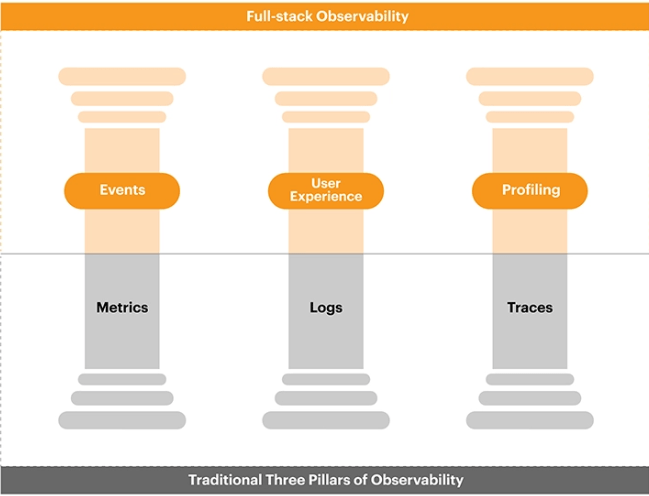
Continuous Monitoring and Feedback: Continuous monitoring and feedback provide valuable insights into the performance and health of applications deployed through the CI/CD pipeline. Integrating monitoring tools and metrics allows teams to identify bottlenecks, track key performance indicators, and proactively address issues in real-time. Regular feedback loops enable continuous improvement, driving iterative enhancements to the delivery process and the overall software product.

A Typical CI/CD Pipeline

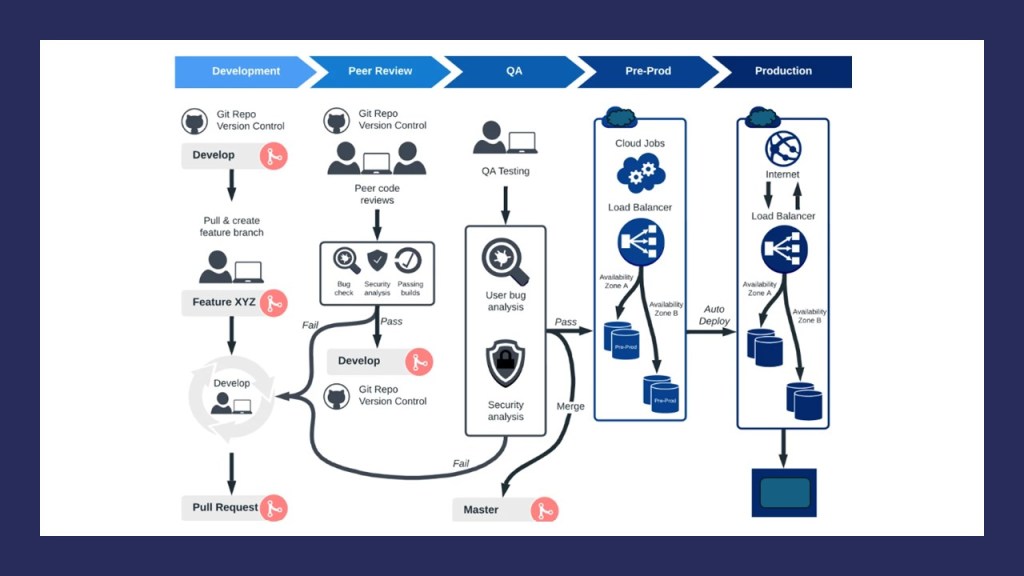
Commencing on a software development journey entails navigating through a maze of processes, from code creation to deployment. To simplify this intricate path, Continuous Integration and Continuous Deployment (CI/CD) pipelines serve as indispensable tools. Let’s delve into a blueprint of a typical CI/CD pipeline, designed to streamline the software development lifecycle. (Imge Credit: Jason’s Blog-Beningo)

  • Code Management: The journey begins with source code management, where all project packages and dependencies find their home. Establishing a structured review mechanism ensures code integrity, with designated reviewers approving changes via pull requests. Building upon this foundation, the code undergoes compilation and unit testing, crucial for early issue detection and ensuring application functionality.
  • Testing Environment: Transitioning to the testing environment, integration tests play a pivotal role in validating API behavior and adherence to business rules. This phase ensures that APIs fulfill expected functionalities, such as order creation and adherence to predefined constraints. Toggle switches facilitate flexible stage control, enabling seamless progression through the deployment pipeline.
  • 1-Box Deployment: Mitigating deployment risks, the 1-box deployment strategy facilitates controlled testing with a fraction of production traffic. This precautionary measure minimizes the impact of potential issues, allowing swift rollback in case of anomalies. Rollback alarms and bake periods further fortify the deployment process, ensuring stability and resilience.
  • Production Environment: Finally, the journey culminates in the production environment, where the full deployment unfolds. Here, the same safeguards and monitoring mechanisms are in place to uphold performance standards and swiftly address deviations. With a systematic approach and rigorous testing at each stage, the CI/CD pipeline paves the way for smoother, faster, and more reliable software development.

Conclusion

In summary, adopting CI/CD transforms software development by promoting teamwork, improving productivity, and providing smooth user interactions. Following best practices and using automation empower teams to manage deployment challenges effectively, leading to successful software launches and ongoing improvements.

Challenges and Prospects of GPU Computing in the Era of Quantum and Neuromorphic Computing

One of the biggest challenges with GPU computing lies in scalability and efficiency. While GPUs excel at parallel processing tasks, they may face limitations in handling extremely large datasets or complex algorithms efficiently, GPUs do not handle recursion and branching as effectively. Additionally, programming GPUs for certain applications can be challenging, requiring specialized knowledge and optimization techniques to fully leverage their capabilities.

Looking towards the future, GPUs are expected to continue playing a significant role in various computational tasks, particularly in areas such as deep learning, scientific simulations, and high-performance computing. However, their dominance may be challenged by emerging technologies such as quantum computing. Quantum computing offers the potential for exponentially faster processing speeds and the ability to solve certain types of problems that are intractable for classical computers, including many optimization and simulation tasks.

While GPUs and quantum computing may initially seem like competitors, they can also complement each other in certain scenarios. For example, GPUs can be used to preprocess data or perform initial computations before passing them to a quantum computer for more complex analysis. This hybrid approach could harness the strengths of both technologies to solve a broader range of problems more efficiently.

As for alternatives to GPUs, one potential contender is neuromorphic computing. Neuromorphic computing seeks to mimic the structure and function of the human brain, offering potential advantages in energy efficiency and pattern recognition tasks. Companies like IBM, Intel, and Qualcomm are investing in neuromorphic computing research and development, exploring its potential applications in areas such as artificial intelligence, robotics, and sensor processing.

Overall, while GPUs will likely remain a vital component of computing ecosystems for the foreseeable future, they may face increasing competition from emerging technologies like quantum computing and neuromorphic computing. The interplay between these different technologies will likely shape the future landscape of computing, offering new possibilities for solving complex problems and driving innovation across various industries.

Exploring GraphQL: A Modern API Development

GraphQL An Overview

GraphQL is a query language for APIs and a runtime for executing those queries with existing data. It was developed by Facebook in 2012 and released as an open-source project in 2015. Unlike traditional REST APIs, which expose a fixed set of endpoints that return predetermined data structures, GraphQL allows clients to request only the data they need, in the shape they need it, using a single endpoint. This flexibility empowers frontend developers to fetch precisely the data required for their UI components, eliminating over-fetching and under-fetching of data.

GraphQL operates on a type system, where each data type represents a component of the API schema. Clients can query these types to fetch nested data and even perform mutations to modify the data. This paradigm shift in API design offers several advantages, including improved performance due to reduced network overhead, simplified client-server communication, and enhanced developer productivity through self-documenting APIs. Major companies like GitHub, Shopify, and Airbnb have adopted GraphQL to streamline their API development and provide efficient data access to their applications.

Features & Functionality of GraphQL

One of the main features of GraphQL is its strongly-typed schema. The schema defines the capabilities of the API and serves as a contract between the client and server. It consists of types, which represent the data structures exposed by the API, along with fields, which specify the properties of each type. Additionally, GraphQL supports queries, mutations, and subscriptions, providing flexible mechanisms for reading, writing, and subscribing to data. Queries allow clients to fetch data from the server, mutations enable clients to modify data, and subscriptions enable real-time data updates. Another key feature is introspection, which allows clients to query the schema itself to discover available types and fields, enabling powerful tooling and documentation generation. Overall, GraphQL’s combination of flexibility, type-safety, and introspection empowers developers to build efficient and self-documenting APIs.

GraphQL operates on a type system, where each data type represents a component of the API schema. Clients can query these types to fetch nested data and even perform mutations to modify the data. This paradigm shift in API design offers several advantages, including improved performance due to reduced network overhead, simplified client-server communication, and enhanced developer productivity through self-documenting APIs. Major companies like GitHub, Shopify, and Airbnb have adopted GraphQL to streamline their API development and provide efficient data access to their applications.

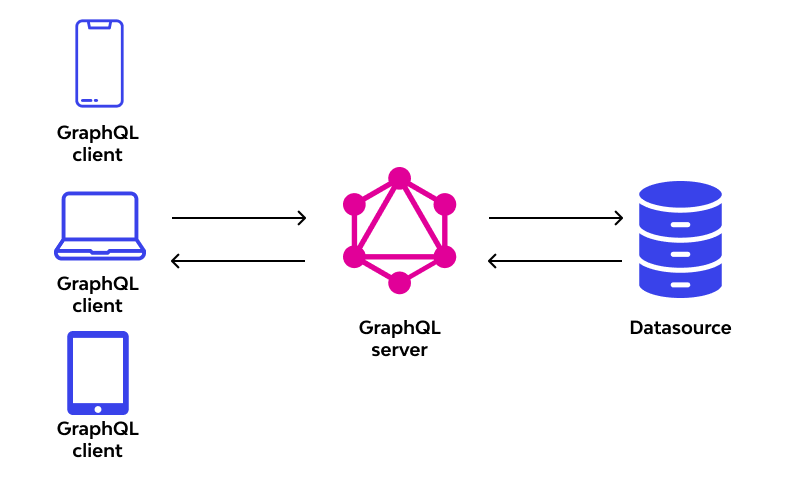
GraphQL operates on a simple premise: clients specify the exact data they need, and servers respond with precisely that data. This interaction occurs through a single endpoint, typically /graphql, which accepts incoming queries, mutations, and subscriptions. When a client sends a GraphQL request, it includes a query, which describes the data it needs, along with any variables required for the query. The server then executes the query against its schema, resolving each field to retrieve the requested data. Once all fields are resolved, the server returns a JSON response containing the requested data.

Utilization, Benefits, and Drawbacks of GraphQL

Rest Vs GraphQL

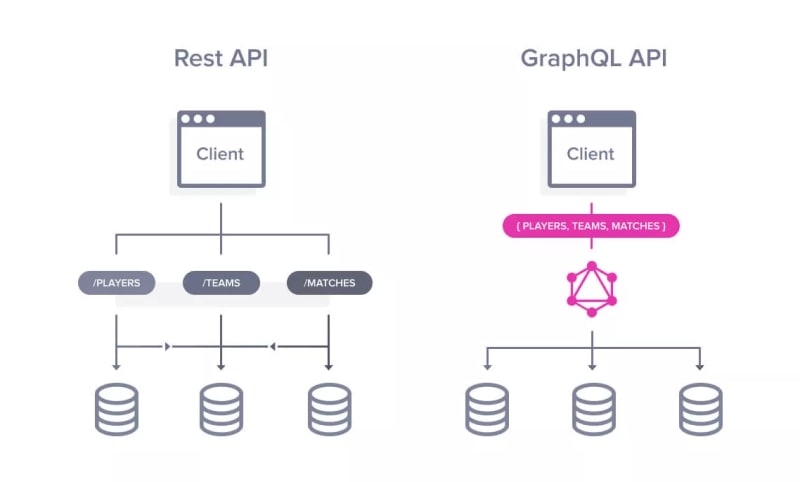
REST (Representational State Transfer) and GraphQL are both API design architectures used for building web APIs, but they have different approaches and characteristics. Here’s a comparison between REST and GraphQL along with examples to illustrate the differences

Data Fetching


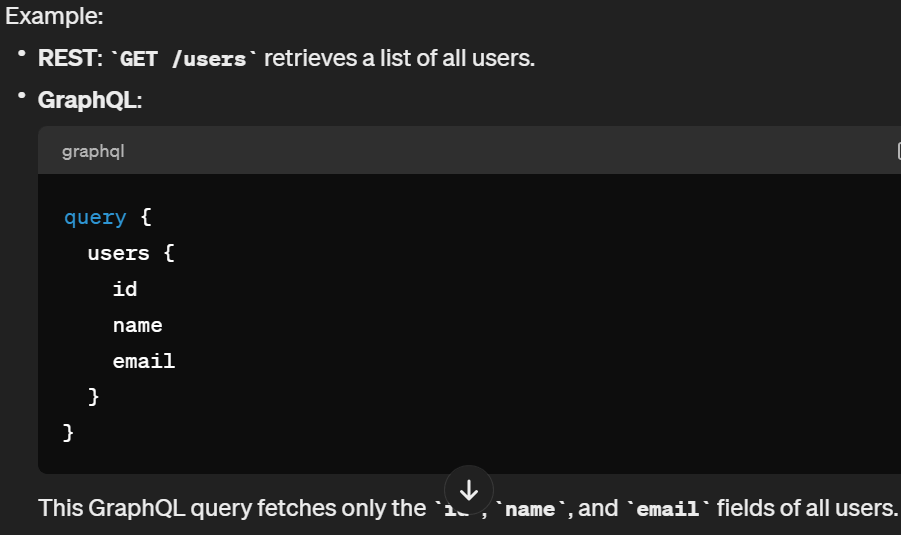
GraphQL: With GraphQL, clients can request precisely the data they need using a single endpoint. Clients send queries specifying the structure of the data they require, and the server responds with JSON objects matching the requested structure. This allows clients to avoid over-fetching or under-fetching data.

REST: In RESTful APIs, endpoints represent resources, and clients typically make requests to specific endpoints to fetch or manipulate data. Each endpoint corresponds to a specific resource or collection of resources, and the server responds with the entire resource or a subset of it.

Response Structure


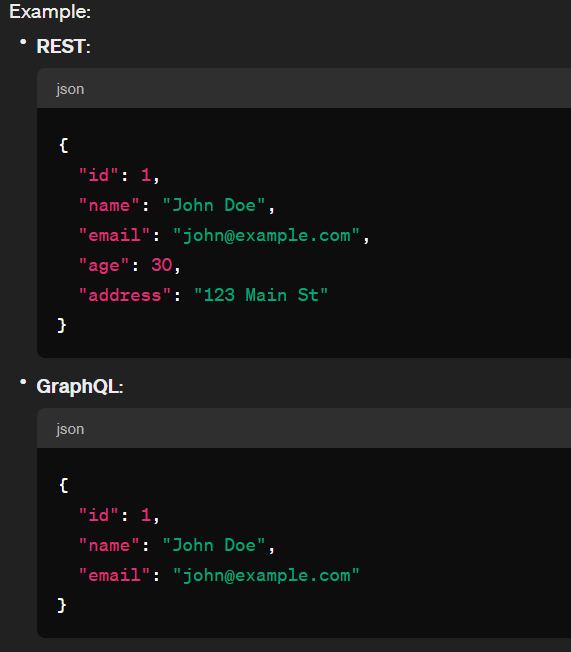
GraphQL: With GraphQL, clients specify the structure of the response in their queries, allowing them to request only the fields they need. This results in more efficient data transfer and reduces the likelihood of over-fetching.

REST: In RESTful APIs, the server defines the structure of the response, and clients receive the same structure for each request to a specific endpoint. This can lead to over-fetching of data if the client doesn’t need all the information provided by the server.

Multiple Requests


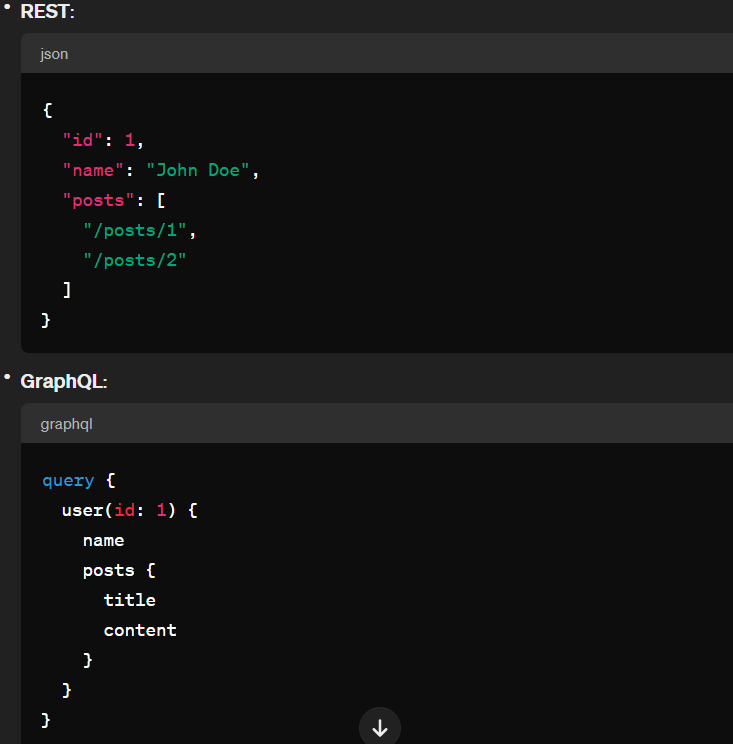
GraphQL: With GraphQL, clients can request nested data in a single query, reducing the need for multiple round trips to the server and minimizing over-fetching and under-fetching.

REST: In RESTful APIs, clients often need to make multiple requests to different endpoints to fetch related data, leading to issues like over-fetching or requiring multiple round trips.

In summary, while RESTful APIs follow a predefined structure and require multiple endpoints for different data requirements, GraphQL allows clients to request precisely the data they need in a single query, resulting in more efficient data transfer and reducing the likelihood of over-fetching or under-fetching data.

Conclusion

In conclusion, GraphQL presents a compelling solution for modern API development with its flexibility, real-time updates, and efficient data fetching capabilities. By allowing clients to request precisely the data they need in a single query, GraphQL minimizes over-fetching and under-fetching, leading to improved performance and reduced network overhead. However, it’s essential to acknowledge that adopting GraphQL introduces complexity, especially in managing schema evolution, caching, and authorization. Therefore, organizations must carefully weigh the benefits against the challenges and evaluate whether GraphQL aligns with their project requirements and constraints before implementation.

Exploring Kafka’s Versatile Applications: A Dive into Popular Use Cases

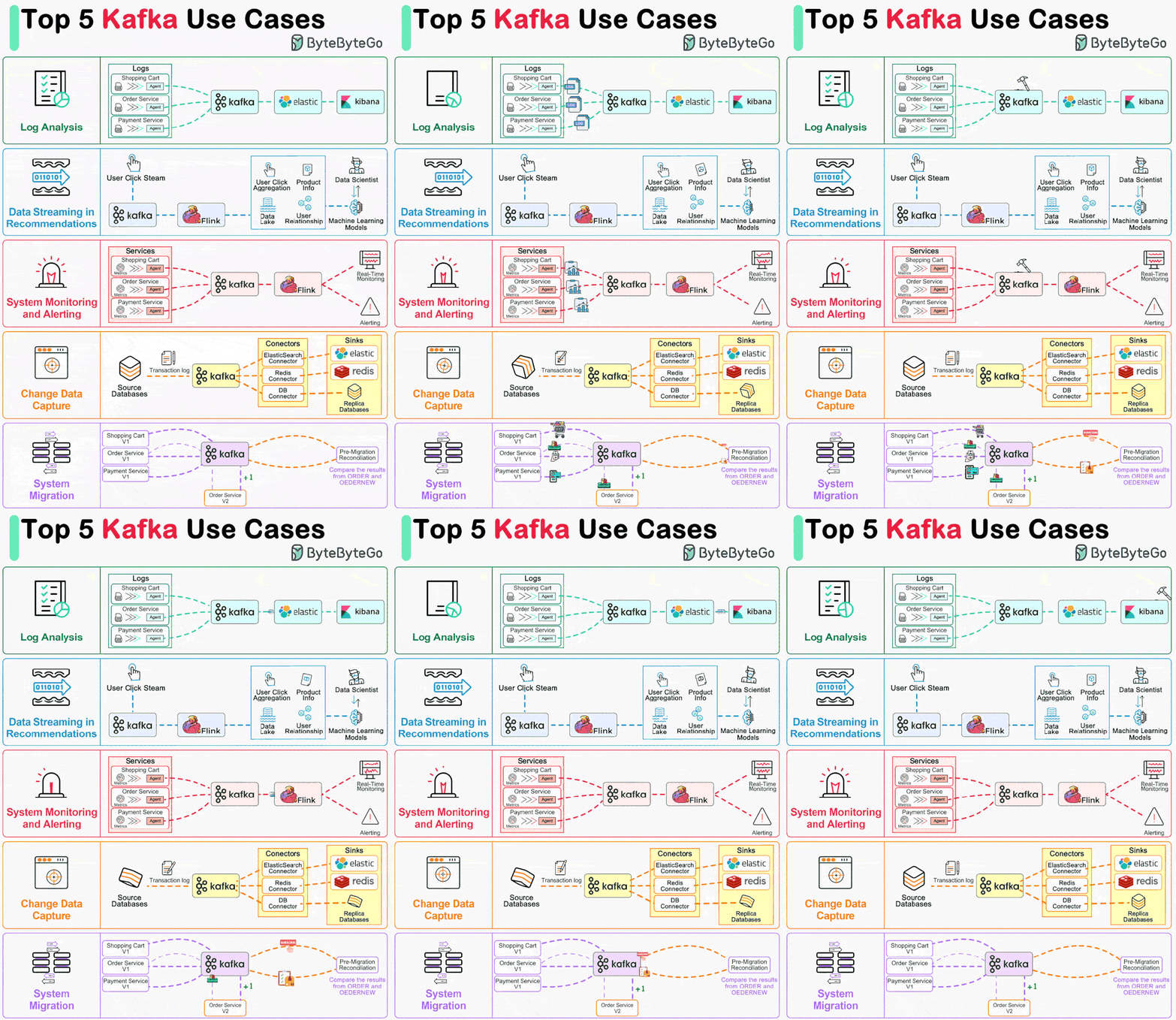
Kafka, with its robust architecture and scalability, finds extensive use across various industries and applications. (Image courtesy: ByteByteGo)

One primary use case is log processing and analysis, where Kafka acts as a central hub for collecting, storing, and analyzing log data from distributed systems. For instance, a large e-commerce platform utilizes Kafka to aggregate log data generated by user interactions, server activities, and application events. This enables real-time analysis of user behavior, system performance, and error detection, facilitating timely decision-making and troubleshooting.

Another prevalent use case for Kafka is data streaming in recommendations systems. Here, Kafka serves as the backbone for streaming user interactions and preferences to recommendation engines. For instance, a media streaming service utilizes Kafka to capture user clicks, views, and preferences in real-time, feeding this data into recommendation algorithms to personalize content recommendations for individual users dynamically.

In addition to log processing and recommendation systems, Kafka is widely employed for system monitoring and alerting. Organizations utilize Kafka to ingest and process monitoring data from various sources, including servers, networks, and applications. This enables proactive monitoring of system health, performance metrics, and anomaly detection, allowing for timely alerts and response to potential issues.

Furthermore, Kafka excels in change data capture (CDC) use cases, where it captures and streams database changes in real-time to downstream systems for analysis or synchronization. For instance, in a retail setting, Kafka captures changes in inventory levels, product prices, and customer orders from the database, enabling real-time analytics, inventory management, and order processing.

Lastly, Kafka facilitates system migration projects by providing a reliable and scalable mechanism for data replication between legacy and modern systems. For example, during a migration from on-premises data centers to cloud environments, Kafka enables seamless data transfer, replication, and synchronization, ensuring minimal downtime and data loss.

Overall, Kafka’s versatility and scalability make it a preferred choice for a wide range of use cases, including log processing, data streaming, monitoring, CDC, and system migration, empowering organizations to build real-time data pipelines and drive insights from their data streams effectively.

Docker vs. Virtual Machines: The Containerization Conundrum

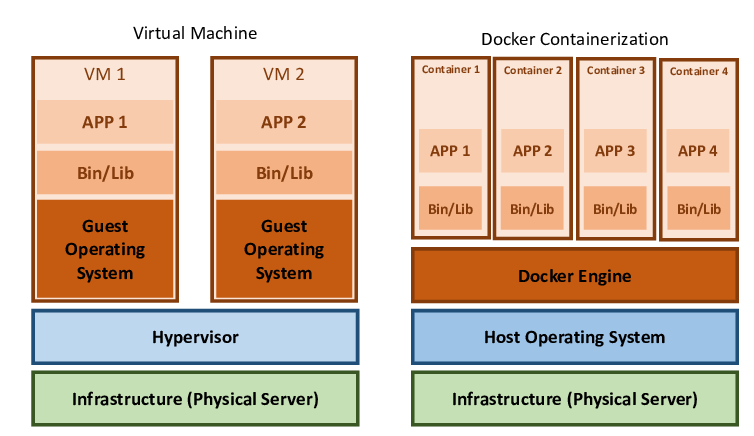
Docker and virtual machines (VMs) are both integral technologies in application deployment. In the software development lifecycle, deployment involves configuring the application code to be operational for end users.

Definition of Docker

Docker is a containerization platform that allows developers to package applications and their dependencies into lightweight, portable containers. These containers can then be deployed consistently across different environments, from development to production, without the need to worry about differences in underlying infrastructure. Docker provides a standardized way to build, ship, and run applications, enabling greater flexibility, scalability, and efficiency in software development and deployment.

Definition of Virtual Machine (VM)

A Virtual Machine (VM) is an emulation of a physical computer that runs an operating system and applications within a virtualized environment. VMs are created using hypervisor software, which partitions a physical server into multiple virtual machines, each with its own virtualized hardware resources, including CPU, memory, storage, and network interfaces. VMs provide a means to run multiple operating systems and applications on a single physical server, enabling greater server utilization and resource isolation.

Benefits of Docker and Virtual Machnes (VM)

Docker offers several benefits, including lightweight and fast containerization, efficient resource utilization, and improved scalability. Containers share the host operating system kernel, resulting in faster startup times and reduced overhead compared to VMs. Docker containers also consume fewer system resources, making them more efficient in terms of CPU, memory, and storage usage. Additionally, Docker enables easy application scaling and orchestration using tools like Docker Swarm and Kubernetes, allowing organizations to deploy and manage large-scale containerized applications with ease.

Virtual Machines provide benefits such as hardware abstraction, isolation, and compatibility across different operating systems. VMs allow organizations to run multiple applications and operating systems on a single physical server, maximizing server utilization and flexibility. VMs also offer strong isolation between applications, ensuring that issues in one VM do not affect others. Furthermore, VMs support a wide range of operating systems, making them suitable for environments with diverse software requirements.

Key Differences between Docker and Virtual Machines

Resource Overhead: Docker containers share the host operating system kernel, resulting in lower resource overhead compared to VMs, which require separate guest operating systems.
Performance: Docker containers offer faster startup times and better performance compared to VMs due to their lightweight nature and shared kernel.
Isolation: While VMs provide strong isolation between applications through virtualization, Docker containers share the host operating system kernel, leading to less isolation.
Portability: Docker containers are more portable than VMs, as they encapsulate both the application and its dependencies, allowing for consistent deployment across different environments.
Management: Docker containers are easier to manage and orchestrate at scale using container orchestration tools like Docker Swarm and Kubernetes, whereas VM management can be more complex.

Similarities between Docker and Virtual Machines

Both Provide Application Isolation: Both Docker containers and VMs provide a level of isolation for applications, ensuring that they do not interfere with each other.
Both Support Multiple Environments: Both Docker and VMs can be deployed across various environments, including development, testing, and production.
Both Enable Flexibility in Deployment: Docker containers and VMs allow for flexible deployment of applications, enabling organizations to adapt to changing business requirements.

When to Use Docker & Virtual Machies

Docker is ideal for microservices-based architectures, cloud-native applications, and containerized workloads where scalability, portability, and efficiency are paramount. It is well-suited for environments requiring rapid deployment, continuous integration/continuous deployment (CI/CD), and DevOps practices.

Virtual Machines are suitable for environments with diverse operating system requirements, legacy applications, and applications requiring strong isolation. VMs are also useful for environments where compatibility with different operating systems is necessary or when running multiple applications on a single physical server.

In conclusion, the choice between Docker containers and Virtual Machines hinges on the specific requirements and objectives of the deployment environment. While Docker offers lightweight and efficient containerization, ideal for modern microservices architectures and cloud-native applications, Virtual Machines provide robust isolation and compatibility across diverse operating systems, making them suitable for legacy applications and environments with varied software requirements. Understanding the key differences and similarities between Docker and VMs is essential for organizations to make informed decisions about their infrastructure and application deployment strategies. By leveraging the strengths of each technology appropriately, businesses can optimize their resource utilization, enhance scalability, and streamline their software development and deployment processes for greater efficiency and agility in today’s dynamic IT landscape.

Observability – What is it? Aspects, Benefits, and Trends

Observability refers to the ability to understand and infer the internal state of a system based on its external outputs. In simpler terms, it’s about gaining insights into how a system behaves and performs by observing its outputs, such as logs, metrics, and traces. Unlike monitoring, which focuses on collecting data passively, observability emphasizes active exploration and understanding of system behaviors. It involves collecting and analyzing diverse data sources to provide a comprehensive view of system health, performance, and behavior. Observability relies on telemetry data, which includes metrics for quantifiable measurements, logs for detailed event information, and traces for understanding transaction flows across distributed systems. By correlating and analyzing these data sources, observability enables engineers to diagnose issues, troubleshoot problems, and optimize system performance effectively.

The benefits of observability are manifold. Firstly, it enhances system reliability by providing real-time insights into system behavior and performance anomalies, allowing engineers to proactively identify and address issues before they escalate. Secondly, observability facilitates faster incident response and resolution by enabling engineers to pinpoint the root cause of problems accurately. Thirdly, it supports efficient capacity planning and resource optimization by providing visibility into resource utilization trends and performance bottlenecks. Some of the most important use cases of observability include monitoring microservices architectures, troubleshooting distributed systems, optimizing cloud infrastructure performance, and ensuring application reliability in dynamic environments.

Implementing observability involves several key steps. Firstly, organizations need to instrument their systems to collect relevant telemetry data, including logs, metrics, and traces. This often involves integrating observability tools and libraries into applications and infrastructure components. Secondly, organizations must centralize and aggregate telemetry data from across their distributed systems to gain a unified view of system behavior. This may involve deploying observability platforms or using cloud-based monitoring services. Finally, organizations need to analyze and visualize telemetry data effectively to derive actionable insights and drive informed decision-making. This may involve leveraging advanced analytics techniques, machine learning algorithms, and visualization tools to extract meaningful patterns and trends from telemetry data.

Observability is also becoming integral to DevOps practices, where it plays a crucial role in enabling continuous monitoring, feedback, and improvement throughout the software development lifecycle. In DevOps, observability tools and practices facilitate rapid detection and resolution of issues, streamline deployment pipelines, and optimize application performance. Examples of observability tools in DevOps include monitoring and logging solutions like Prometheus, Grafana, ELK Stack (Elasticsearch, Logstash, Kibana), which provide insights into application performance, infrastructure metrics, and logs, helping DevOps teams identify bottlenecks, troubleshoot issues, and improve overall system reliability and resilience.

Future trends in observability are poised to revolutionize the way organizations manage and monitor their systems, with a significant focus on automation and intelligence. Artificial Intelligence (AI) and Machine Learning (ML) will play a pivotal role in this evolution, enabling advanced analytics and predictive capabilities. AI/ML algorithms can analyze vast amounts of telemetry data to identify patterns, anomalies, and trends that might elude manual analysis. By leveraging AI-driven anomaly detection and forecasting, organizations can proactively identify and address potential issues before they impact system performance or reliability. Moreover, AI-powered incident response and remediation processes can automate the resolution of common issues, reducing the burden on human operators and minimizing downtime.

In the realm of multi-cloud and hybrid cloud environments, observability solutions will need to adapt to the complexities of managing distributed architectures across multiple cloud providers. Organizations increasingly rely on a mix of public cloud, private cloud, and on-premises infrastructure, making it challenging to gain a unified view of system health and performance. Observability tools tailored for multi-cloud environments will enable organizations to aggregate and analyze telemetry data from disparate sources, providing comprehensive insights into system behavior across the entire hybrid infrastructure. Examples of tools and services in this trend include cloud-native monitoring platforms like Datadog, New Relic, and Dynatrace, which offer support for multi-cloud environments and provide centralized visibility and analytics capabilities.

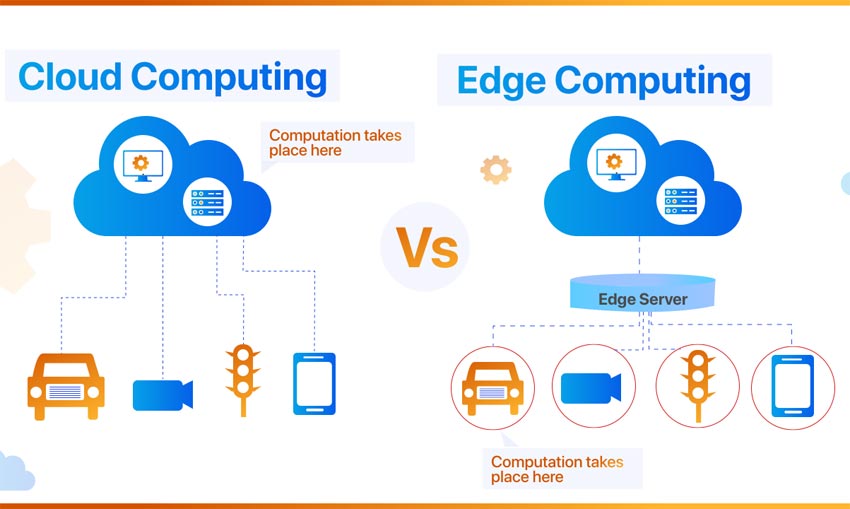
The proliferation of edge devices, driven by trends such as the Internet of Things (IoT) and edge computing, presents new challenges and opportunities for observability. Edge devices operate in diverse and often resource-constrained environments, making traditional monitoring approaches insufficient. Observability solutions for edge computing must be lightweight, scalable, and capable of processing telemetry data locally to provide real-time insights and enable proactive management. Tools like AWS IoT SiteWise, Azure IoT Hub, and Google Cloud IoT Core offer capabilities for monitoring and managing edge devices, providing visibility into device performance, health, and security metrics.

In conclusion, observability is becoming increasingly crucial in modern software engineering practices, particularly in the context of distributed, cloud-native architectures. As systems become more complex and dynamic, the ability to understand and troubleshoot system behavior in real-time becomes paramount.

Upskilling with Generative AI – Analysis and Key Takeaways

Read full artcile here

Analysis and Key Takeaways

Generative AI, driven by ML models known as foundation models (FMs), presents a transformative opportunity for businesses across various sectors. McKinsey estimates a significant potential impact on productivity, with generative AI adding trillions of dollars annually to the global economy. This technology can enhance customer operations, marketing and sales, software engineering, and R&D, revolutionizing interactions with customers, content creation, and code drafting, among other tasks.

To effectively harness the power of generative AI, businesses must cultivate an innovative culture that champions collaboration between business and technical teams. Executive support is crucial, setting goals and investing in technology and processes to enable success. Prioritizing responsible AI practices, including bias mitigation and data privacy, ensures ethical and sustainable AI implementation. By fostering a culture that embraces experimentation and learning from mistakes, organizations can drive innovation and overcome challenges.

Data is a strategic asset in generative AI, distinguishing between generic applications and those tailored to specific business needs. Organizations must leverage their data to train models that deliver personalized and differentiated experiences. A robust data strategy, including scalable storage, seamless access, and stringent security measures, is essential for success in generative AI initiatives.

Addressing real business problems is paramount in the AI journey, requiring collaboration between technical and domain experts. AI teams must define precise challenges, identify relevant data, and measure success based on business outcomes. By leveraging AWS Generative AI Innovation Center and AI Use Case Explorer, organizations can align AI initiatives with strategic objectives and drive impactful results.

Upskilling teams is critical to bridge the AI skills gap and empower employees for success in the generative AI era. On-demand skills training and specialized courses enable individuals to understand, implement, and leverage generative AI effectively. Sustainable scalability beyond pilot projects necessitates cultural shifts and technical advancements. Organizations can establish centers of excellence, integrate AI into planning processes, and leverage serverless experiences like Amazon Bedrock and SageMaker to scale AI initiatives efficiently.

Measuring the results of AI efforts requires a holistic perspective, focusing on long-term value creation rather than immediate returns. Executives must embrace agility, competitive advantage, and risk tolerance to drive successful AI initiatives. By adopting a value tree approach and measuring diverse business outcomes, organizations can evaluate the true impact of AI on their business future.

In conclusion, the journey into generative AI represents a pivotal opportunity for businesses to unlock unprecedented value and drive innovation. By cultivating an innovative culture, leveraging data strategically, addressing real business problems, and upskilling teams, organizations can navigate the complexities of AI implementation successfully. Embracing responsible AI practices and measuring outcomes holistically are essential for sustainable success. As businesses embark on this transformative journey, they must remain agile, adaptable, and focused on long-term value creation to realize the full potential of generative AI in shaping the future of industries worldwide.

The AI Journey: From Conceptualization to Deployment

Introduction

Artificial Intelligence (AI) has transformed countless industries, from healthcare to finance, by unlocking insights from data. Yet, behind the scenes, a complex process unfolds, encompassing data engineering, model selection, training, evaluation, and deployment. Understanding this journey is crucial for harnessing the true potential of AI. The journey from conceptualization to deployment is as fascinating as it is crucial. This intricate process involves a series of meticulously planned steps, each contributing to the realization of AI-driven solutions that transform industries. Let’s delve into this journey, exploring its nuances and complexities, with a specific focus on implementing predictive maintenance in manufacturing.

Defining the Problem

Every AI endeavor begins with a clear definition of the problem at hand. This involves defining objectives, identifying relevant data sources, and specifying desired outcomes. Whether it’s predicting customer churn or diagnosing diseases, a well-defined problem sets the stage for subsequent steps.

In our example, predictive maintenance in manufacturing, the challenge often revolves around minimizing equipment downtime to optimize operational efficiency and reduce costs. For instance, a critical machine in a manufacturing plant, such as a conveyor belt, may experience failures that disrupt production. Predictive maintenance aims to address this issue by leveraging AI to anticipate and prevent such failures before they occur. Let us consider the predictive maintenance needs based on factors like temperature, vibration, and usage patterns.

Data Collection & Formatting

Next comes the crucial step of data collection and formatting. Data engineers gather raw data from various sources, ensuring its quality, relevance, and accessibility. This data is then cleaned, transformed, and formatted to prepare it for analysis. This process, often involving Extract, Transform, Load (ETL) pipelines, ensures that the data is structured and standardized for further processing.The journey progresses with the meticulous collection and formatting of relevant data.

In our manufacturing scenario, this involves gathering sensor data from the conveyor belt, including temperature, vibration, and operational parameters, using IoT sensors. This raw data undergoes rigorous cleaning, normalization, and transformation using Extract, Transform, Load (ETL) pipelines to ensure its quality and reliability for subsequent analysis.

Selecting Suitable Algorithms and Models

With clean and formatted data in hand, data scientists embark on selecting suitable algorithms and models for the task at hand. This involves exploring a range of techniques, from traditional statistical methods to cutting-edge deep learning architectures. The goal is to identify models that can effectively capture patterns and relationships within the data to make accurate predictions or classifications.

Given the time-series nature of the sensor data in our example, machine learning algorithms like Recurrent Neural Networks (RNNs) or Long Short-Term Memory (LSTM) networks are ideal choices. These algorithms excel at capturing temporal dependencies and patterns in sequential data, making them well-suited for our predictive maintenance task.

Training the Models

Once the algorithms and models are chosen, the training phase begins. During this stage, the selected models are fed with the preprocessed data to learn and optimize their parameters. Through iterative adjustments based on feedback, the models gradually improve their performance, fine-tuning their ability to make predictions or classifications accurately.

Training our selected models, is a pivotal stage in our predictive maintenance, this is where our models learn to recognize patterns indicative of impending equipment failure. Historical sensor data labeled with maintenance outcomes, such as failure or normal operation, serves as the training dataset. Through iterative adjustments and optimizations, the models refine their parameters, gradually improving their predictive performance.

Evaluating Model Performance

After training, it’s essential to evaluate the performance of the models. This involves testing them on unseen data to assess their accuracy, precision, recall, and other relevant metrics. Iterative refinement based on these evaluations ensures that the models generalize well to new data and perform reliably in real-world scenarios.

Like in our eaxmple metrics such as accuracy, precision, recall, and F1-score are computed to assess the models’ predictive performance. We iterate on model architecture and hyperparameters to improve performance iteratively. It’s essential to rigorously evaluate their performance.

Optimization, Deployment, and Monitoring

Upon achieving satisfactory performance, the models undergo optimization for efficiency and scalability. They are then deployed into production environments, where they start making predictions or classifications in real-time. Continuous monitoring ensures that the models remain accurate and reliable over time, with feedback loops enabling updates and improvements as needed.

In our predictive maintenance AI system post the evaluation the models are integrated into the manufacturing system’s control infrastructure, they continuously monitor sensor data in real-time. Anomalies or patterns indicative of potential failures trigger maintenance alerts, enabling proactive intervention to prevent downtime and optimize operational efficiency.

Conclusion

From problem definition to model deployment, the journey of AI is multifaceted and intricate. Each step, from data collection to model training and deployment, requires careful planning, expertise, and collaboration across disciplines. By understanding this journey, organizations can navigate the complexities of AI development and leverage its transformative potential to drive innovation and growth.

By following the structured approach, our predictive maintenance AI system is set to revolutionize the maintenance operations, minimize downtime, and unlock new levels of efficiency and productivity in the manufacturing landscape.

Unlocking Operational Efficiency: Cloud Orchestration

Introduction

Cloud orchestration refers to the coordination and management of multiple cloud services and resources, often across various cloud environments (such as public, private, or hybrid). It involves automating the setup, configuration, deployment, and management of these services to ensure that they work together seamlessly and efficiently.

At its core, cloud orchestration aims to

  • Automate repeated processes to minimize manual intervention and errors
  • Ensure consistent configurations across various environments
  • Scale resources up or down based on demand
  • Improve resource utilization to save costs
  • Streamline workflows for faster development and deployment cycles

Example

Consider a scenario where a company deploys applications across multiple cloud providers. Without orchestration, manual setup and management tasks are time-consuming and error-prone. With cloud orchestration, automated workflows handle deployment, scaling, security, and data management tasks seamlessly across different cloud platforms.

A single orchestration tool would allow them to

  • Deploy an application across AWS, Azure, and Google Cloud using a pre-defined template.
  • Automatically scale the number of servers up during peak traffic times and down when traffic is low.
  • Apply consistent security policies and updates across all environments without manual intervention.
  • Manage data backups and disaster recovery processes across different cloud platforms.

Future Roadmap Planning

The future of cloud orchestration includes several anticipated trends:

  1. Multi-Cloud and Hybrid-Cloud Strategies: As organizations continue using multiple cloud environments, orchestration tools will evolve to manage complex deployments more efficiently.
  2. Integration with AI and Machine Learning: Cloud orchestration will likely incorporate AI to predict and manage scaling requirements and to optimize resource utilization.
  3. Enhanced Security and Compliance: Orchestration tools will include more sophisticated security features for monitoring and enforcing compliance across clouds.
  4. Serverless and Container Orchestration: The rise of serverless functions and containerized applications will see orchestration tools focus more on these technologies for seamless management.
  5. Edge Computing: As edge computing grows, cloud orchestration will extend to manage workloads on edge devices and integrate those with central cloud services.
  6. User-Friendly Orchestration: Tools will become more user-friendly, allowing non-technical users to automate and orchestrate cloud services without detailed technical knowledge.
  7. Sustainability: Efficiency in resource utilization will not only be a cost-saving factor but also contribute to sustainability, as orchestration can reduce the overall carbon footprint of cloud computing.

Top Cloud Orchestration Tools

Here are some of the best cloud orchestration tools and services available in the market

  1. Terraform โ€“ An open-source infrastructure as code software tool created by HashiCorp. It enables users to define and provide data center infrastructure using a declarative configuration language.
  2. Kubernetes โ€“ An open-source container orchestration tool designed to automate deploying, scaling, and operating application containers.
  3. Ansible โ€“ An open-source automation platform by Red Hat, itโ€™s simple to use for automating cloud provisioning, configuration management, application deployment, intra-service orchestration, and many other IT needs.
  4. AWS CloudFormation โ€“ A service provided by Amazon Web Services that gives developers and businesses an easy way to create a collection of related AWS and third-party resources, and provision and manage them in an orderly and predictable fashion.
  5. Microsoft Azure Resource Manager โ€“ A management layer that allows you to deploy, update, and manage your Azure services as a group, rather than managing these services individually.
  6. Google Cloud Deployment Manager โ€“ An infrastructure management service that automates the creation and management of Google Cloud resources. Write templates and configurations, and let Deployment Manager make API calls to create resources on your behalf.
  7. OpenStack Heat โ€“ The main project in the OpenStack orchestration program. It implements an orchestration engine to launch multiple composite cloud applications based on templates in the form of text files that can be treated like code.
  8. VMware vRealize Automation โ€“ It simplifies the automation of complex IT tasks and integrates with VMware vSphere and other virtualization technologies to manage multi-cloud environments.
  9. SaltStack โ€“ Now known as Salt, is a Python-based, open-source configuration management software and remote execution engine. It supports the “Infrastructure as Code” approach to deployment and cloud management.
  10. Chef Automate โ€“ Provides a full suite of enterprise capabilities for node visibility and compliance, and integrates with the Chef ecosystem to automate infrastructure and application workflows.
  11. Puppet Enterprise โ€“ An IT automation software that automates provisioning, configuration management, and application deployment of an infrastructure.

Each of these tools has its strengths and is suited for different types of infrastructure and organizational requirements. The choice of the right tool depends on compatibility with existing systems, the scale of operations, the expertise of the IT staff, and specific features that align with the company’s needs and goals. It’s also common for organizations to use a mix of these tools to meet different aspects of their cloud orchestration needs.

Conclusion

In conclusion, cloud orchestration is at the heart of operational efficiency in cloud environments. As cloud technologies continue to evolve, orchestration tools and practices will likewise advance, driving automation, optimization, and integration across increasingly complex cloud ecosystems.

Landscape of Large Language Models: Excercising AI’s Textual Power

Large Language Models (LLMs) represent a breakthrough in artificial intelligence, capable of understanding and generating human-like text at an unprecedented scale. These models, trained on vast amounts of text data, have revolutionized various applications in the tech industry, from natural language processing tasks like language translation and sentiment analysis to generating creative content such as articles and stories. The significance of LLMs stems from their ability to comprehend nuanced context, produce coherent text, and adapt seamlessly to diverse domains and languages. This adaptability makes them invaluable tools for automating language-related tasks and accelerating innovation across the tech sector. Moreover, LLMs have catalyzed advancements in conversational AI, virtual assistants, and personalized content creation, unlocking immense potential for enhancing user experiences and driving business growth. As organizations increasingly rely on data-driven insights and intelligent automation, LLMs offer a powerful means of harnessing the rich complexities of human language to achieve a wide range of objectives.

Among the popular LLMs here are few, GPT-3 (Generative Pre-trained Transformer 3) stands out for its remarkable capabilities in understanding and generating natural language. BERT (Bidirectional Encoder Representations from Transformers), known for its effectiveness in understanding context and semantic meaning in text. T5 (Text-To-Text Transfer Transformer) a verstalie LLM based on text-to-text approach and XLNet a prominent choice for NLP applications.

GPT-3 (Generative Pre-trained Transformer 3): Developed by OpenAI, GPT-3 is one of the largest and most powerful language models to date, with 175 billion parameters. It excels in generating coherent and contextually relevant text across various tasks, from language translation to code generation. GPT-3 has garnered widespread attention for its ability to produce remarkably human-like responses and has been integrated into numerous applications and services across industries.

BERT (Bidirectional Encoder Representations from Transformers): Developed by Google, BERT is renowned for its effectiveness in natural language understanding tasks. Unlike traditional language models, BERT employs a bidirectional approach, considering context from both left and right directions. This enables BERT to capture subtle nuances and dependencies in language, leading to more accurate results in tasks such as sentiment analysis, question answering, and text classification.

T5 (Text-To-Text Transfer Transformer): Developed by Google, T5 is a versatile language model designed to perform a wide range of natural language processing tasks in a unified framework. T5 operates on a “text-to-text” approach, where input and output are represented as text strings, enabling seamless adaptation to various tasks through fine-tuning. T5 has demonstrated strong performance across multiple benchmarks, showcasing its effectiveness in tasks such as summarization, translation, and text generation.

XLNet: Developed by researchers at Google and Carnegie Mellon University, XLNet incorporates a novel permutation-based training objective to capture bidirectional context while avoiding the limitations of traditional autoregressive and autoencoding models. This allows XLNet to achieve state-of-the-art results across a range of natural language processing tasks, including language understanding, generation, and translation. With its innovative training approach and robust performance.

As organizations integrate Large Language Models (LLMs) into their workflows, they must navigate potential challenges and pitfalls. One significant concern is the risk of biased or unethical outputs generated by LLMs, as these models may inadvertently perpetuate biases present in the training data. Addressing bias in LLMs requires proactive measures, including data preprocessing techniques, bias detection algorithms, and ongoing monitoring to ensure fair and unbiased outcomes. Furthermore, safeguarding the security and privacy of sensitive data used to fine-tune or interact with LLMs is paramount to prevent breaches or unauthorized access. Implementing robust data protection measures, encryption protocols, and access controls can mitigate these risks and uphold data integrity.

In selecting or evaluating LLMs for adoption, organizations must consider various factors beyond performance metrics alone. Scalability, ease of integration with existing systems, and support for diverse languages and domains are essential considerations. Moreover, ethical considerations such as bias detection and mitigation strategies should be integral to the evaluation process. Collaborating with experts in AI ethics and diversity, equity, and inclusion (DEI) can provide valuable insights and guidance in navigating these ethical complexities. Additionally, conducting rigorous testing and validation processes, including real-world simulations and user feedback, can help organizations assess the suitability and reliability of LLMs for their specific use cases. By adopting a holistic approach that prioritizes ethical considerations, security protocols, and performance metrics, organizations can leverage LLMs responsibly while minimizing potential risks and maximizing their transformative potential.

“AI will probably most likely lead to the end of the world, but in the meantime, there’ll be great companies.” – Sam Altman

Edge-Driven Evolution: Embracing IaC, GitOps, and Cloud-Native Architectures for Next-Gen Infrastructure Management

The next evolution in the space of application deployment and infrastructure management is likely to be driven by the adoption of Infrastructure as Code (IaC) and GitOps practices. Gartner and other industry experts are increasingly recommending these approaches to improve agility, consistency, and reliability in managing infrastructure and deploying applications.

Infrastructure as Code (IaC) involves managing and provisioning infrastructure using code and automation tools, treating infrastructure as software. With IaC, infrastructure configurations are defined in code, which can be version-controlled, tested, and deployed using automation tools like Terraform, AWS CloudFormation, or Azure Resource Manager.

GitOps extends the principles of IaC by leveraging Git repositories as the source of truth for infrastructure and application configurations. Changes to infrastructure or application code are made through Git commits, triggering automated pipelines for testing, validation, and deployment. This ensures consistency, transparency, and traceability in the deployment process.

The adoption of IaC and GitOps represents a shift towards more declarative and immutable infrastructure management paradigms, where infrastructure and application configurations are defined in a declarative manner and changes are applied through automated processes, ensuring consistency and reducing the risk of configuration drift.

Additionally, there is a growing focus on multi-cloud and hybrid cloud environments, where organizations leverage multiple cloud providers or a combination of on-premises and cloud infrastructure to meet their diverse needs. Technologies and platforms that enable seamless management and orchestration across these environments are gaining traction.

Furthermore, advancements in containerization and Kubernetes orchestration are driving the adoption of cloud-native application architectures, where applications are packaged into containers and orchestrated dynamically using Kubernetes. This enables organizations to build, deploy, and scale applications more efficiently and consistently across different environments.

In summary, the next technology evolution in application deployment and infrastructure management is likely to be driven by the adoption of Infrastructure as Code (IaC), GitOps practices, multi-cloud and hybrid cloud environments, and cloud-native architectures. These approaches enable organizations to achieve greater agility, scalability, and reliability in managing their infrastructure and deploying applications in today’s dynamic and diverse IT landscape.

Securing Cached Data: Strategies for Anonymizing Sensitive Information in Your Technology Stack

Caching is a crucial technique used in computing to store frequently accessed data temporarily, closer to the point of use, to reduce latency and improve performance. By caching data, systems can retrieve information more quickly, avoiding the need to repeatedly fetch it from the original source. This results in faster response times, reduced network traffic, and improved overall efficiency. Caching is particularly essential in scenarios where data retrieval involves time-consuming processes or heavy computational loads, such as querying databases or accessing remote resources. Overall, caching plays a pivotal role in enhancing user experience, optimizing resource utilization, and scaling applications to handle high volumes of traffic efficiently.

To anonymize user-sensitive data in cached responses, consider the following strategies

  1. Data Masking: Replace sensitive information with anonymized or masked values before caching. For example, mask email addresses or phone numbers by replacing characters with placeholders.
  2. Tokenization: Replace sensitive data with tokens or references that cannot be traced back to the original data. This ensures that even if the cached data is compromised, sensitive information remains protected.
  3. Encryption: Encrypt sensitive data before storing it in the cache. Use strong encryption algorithms and keys to ensure that only authorized users can decrypt and access the data.
  4. Data Purging: Implement policies to periodically purge or expire cached data containing sensitive information. This reduces the risk of unauthorized access to outdated or unnecessary data.
  5. Access Controls: Implement strict access controls and authentication mechanisms to restrict access to cached data containing sensitive information. Only authorized users with proper credentials should be allowed to retrieve and view the data.

By incorporating these techniques into the caching strategy at each layer of the architecture, organizations can effectively protect user-sensitive data while leveraging the benefits of data caching for improved performance and scalability.

Red Panda vs Kafka: A Tech Comparison for SaaS Solutions in the Cloud

Introduction

As a startup delving into the realm of SaaS-based solutions in the cloud, choosing the right streaming platform is crucial for ensuring scalability, reliability, and performance. In this post, we conduct a panoramic comparison between Red Panda and Kafka, two prominent streaming platforms, to assist startups in making an informed decision that aligns with their business objectives and technical requirements.

  1. Architecture and Design

Red Panda is designed to offer a lightweight, low-latency alternative to Kafka, leveraging modern hardware and software techniques to achieve high throughput and efficiency. Its architecture focuses on minimizing resource overhead while maximizing performance, making it well-suited for deployments in resource-constrained environments such as cloud-based SaaS solutions. In contrast, Kafka follows a distributed architecture model, with a strong emphasis on fault tolerance and scalability. While Kafka’s design is geared towards handling large-scale data streams across multiple nodes, it may introduce higher latency and resource consumption compared to Red Panda in certain use cases.

  1. Performance and Scalability

Red Panda boasts impressive performance metrics, thanks to its streamlined architecture and optimization for modern hardware. It offers low-latency processing and high throughput, making it an attractive option for SaaS applications requiring real-time data ingestion and processing. Moreover, Red Panda’s scalability is achieved through efficient resource utilization and dynamic partition rebalancing, allowing startups to seamlessly scale their streaming infrastructure based on demand. On the other hand, Kafka’s proven track record in handling massive data volumes across distributed clusters makes it a robust choice for applications demanding unparalleled scalability and fault tolerance. However, Kafka’s scalability may come at the cost of increased operational complexity and resource overhead, especially in cloud environments with fluctuating workloads.

  1. Ease of Deployment and Management

For startups prioritizing simplicity and ease of deployment, Red Panda offers a compelling solution with its lightweight footprint and minimal configuration requirements. Its streamlined setup process and user-friendly management interfaces make it accessible to developers with varying levels of expertise, enabling rapid deployment of streaming applications in the cloud. In contrast, Kafka’s deployment and management may entail a steeper learning curve, particularly for teams lacking prior experience with distributed systems. While Kafka provides comprehensive tooling and robust management features, the complexity of its architecture and configuration options may pose challenges for startups seeking streamlined deployment and management workflows.

  1. Ecosystem and Integration

Both Red Panda and Kafka offer extensive ecosystem support and integration with popular frameworks and tools, facilitating seamless interoperability with existing infrastructure and third-party services. Kafka, being a mature and widely adopted platform, boasts a rich ecosystem of connectors, libraries, and community-driven extensions, making it easy to integrate with a diverse range of data sources and downstream applications. Red Panda, although relatively newer in the streaming landscape, is rapidly gaining traction among developers and organizations seeking lightweight, high-performance alternatives to Kafka. While Red Panda’s ecosystem may not be as extensive as Kafka’s, its compatibility with Kafka’s wire protocol ensures compatibility with existing Kafka-based workflows and tooling, easing the transition for startups considering a switch to Red Panda.

Conclusion

In conclusion, the choice between Red Panda and Kafka hinges on factors such as performance requirements, scalability objectives, deployment preferences, and ecosystem compatibility. For startups prioritizing low-latency, resource-efficient streaming solutions with streamlined deployment and management, Red Panda emerges as a compelling alternative to Kafka. However, for applications demanding unparalleled scalability, fault tolerance, and ecosystem support, Kafka remains a formidable choice backed by a robust track record and extensive community adoption. Ultimately, startups must evaluate their specific use case requirements and technical constraints to determine the optimal streaming platform that aligns with their long-term business objectives and growth trajectory.

Design Matters: The Critical Role of Design in Product Development

Spending time on design is critical because it lays the foundation for successful and efficient solutions. Whether it’s system design, user experience (UX) design, or graphic design, each aspect plays a crucial role in creating products that are functional, intuitive, and visually appealing. System design focuses on the architecture and structure of a solution, ensuring scalability, reliability, and performance. UX design emphasizes understanding user needs and behaviors to create interfaces that are easy to use and navigate. Graphic design enhances the visual appeal of products, conveying information effectively and creating memorable experiences for users.

Without proper design considerations, products can suffer from various pitfalls that hinder their success. For example, a lack of system design can result in scalability issues, leading to system crashes or slow performance as user demand increases. Poor UX design may confuse users, leading to frustration and abandonment of the product. Similarly, inadequate graphic design can diminish the overall user experience, making it challenging for users to engage with the product effectively.

One major pitfall in the industry due to poor design is the case of Healthcare.gov, the online marketplace for health insurance in the United States. The website faced numerous technical issues and usability problems upon its launch, primarily attributed to insufficient system and UX design. Users encountered difficulties navigating the complex interface, leading to widespread frustration and negative feedback. To correct these issues, extensive redesign efforts were undertaken, focusing on simplifying the user experience, improving system performance, and enhancing overall usability.

To avoid similar pitfalls, organizations must prioritize design throughout the development process. This involves conducting thorough research to understand user needs and preferences, collaborating across teams to incorporate design principles into all aspects of the product, and conducting rigorous testing to identify and address any design flaws. By investing time and resources into design upfront, organizations can create products that not only meet user expectations but also stand the test of time in an ever-evolving market landscape.

Avoiding Pitfalls and Achieving Success

Design is a cornerstone of product development, influencing user experience, functionality, and overall success. This guide outlines a step-by-step process to avoid common pitfalls and achieve design excellence in system design, UX design, and graphic design.

Step 1: Research and Analysis

  • Start by understanding user needs and preferences through thorough research and analysis.
  • Gather user feedback, conduct surveys, and analyze market trends to identify key requirements.
  • Utilize tools like user personas, journey maps, and competitive analysis to gain insights into user behaviors and expectations.

Step 2: Collaboration and Integration

  • Foster collaboration across multidisciplinary teams, including developers, designers, product managers, and stakeholders.
  • Incorporate design principles into all stages of product development, from ideation to implementation.
  • Ensure seamless integration of design elements with technical requirements and constraints.

Step 3: Prototyping and Iteration

  • Develop prototypes to visualize design concepts and gather feedback from users.
  • Use rapid prototyping tools to iterate quickly and refine design iterations based on user input.
  • Continuously test and validate design decisions to ensure alignment with user needs and project goals.

Step 4: Testing and Validation

  • Conduct usability testing to identify usability issues and areas for improvement.
  • Use A/B testing and analytics to measure user engagement and behavior.
  • Validate design choices through user feedback, iterating as necessary to optimize the user experience.

Step 5: Documentation and Communication

  • Document design decisions, rationale, and best practices for future reference.
  • Communicate design requirements and guidelines effectively across teams to ensure consistency and alignment.
  • Establish clear channels for feedback and collaboration to facilitate ongoing improvements.

This exhaustive guide serves as a foundational resource for organizations embarking on the journey to evade prevalent pitfalls and attain the pinnacle of design excellence across various domains including system design, UX design, and graphic design. Through a concerted focus on crucial aspects such as in-depth research, seamless collaboration among diverse teams, meticulous prototyping, rigorous testing, and meticulous documentation, teams can steer their product development endeavors towards the creation of offerings that not only align with user expectations but also foster heightened engagement and yield enduring value. By embracing these fundamental principles and incorporating them into their design processes, organizations can chart a course towards sustained success and innovation in the dynamic landscape of design-driven product development.

Leveraging Salesforce CRM Platform as a Service (PaaS) for Enhanced Business Efficiency

Salesforce CRM Platform as a Service (PaaS) offers a robust and versatile framework for businesses to streamline their customer relationship management processes. This article explores the features, benefits, and implementation strategies of Salesforce CRM PaaS, highlighting its potential to drive business growth and enhance customer satisfaction.

In today’s competitive business landscape, effective customer relationship management (CRM) is essential for sustained success. Salesforce CRM Platform as a Service (PaaS) provides businesses with a powerful toolset to manage customer interactions, improve sales efficiency, and boost overall productivity. This white paper aims to delve into the various aspects of Salesforce CRM PaaS and demonstrate its value proposition for organizations across industries.

Overview of Salesforce CRM PaaS:

Salesforce CRM PaaS is a cloud-based platform that enables businesses to build, customize, and deploy CRM solutions tailored to their unique needs. Key components of the Salesforce CRM PaaS ecosystem include:

  1. Lightning Experience: A modern and intuitive user interface that enhances productivity and streamlines navigation.
  2. Salesforce Einstein: Artificial intelligence capabilities that deliver predictive insights, automate tasks, and drive smarter decision-making.
  3. AppExchange: An extensive marketplace offering a wide range of third-party apps and integrations to extend the functionality of Salesforce CRM.
  4. Salesforce Mobile App: Enables access to CRM data and functionality on-the-go, empowering sales teams to stay productive from anywhere.

Benefits of Salesforce CRM PaaS

Implementing Salesforce CRM PaaS offers numerous benefits for businesses, including

  1. Scalability: Salesforce CRM PaaS is highly scalable, allowing businesses to adapt and grow without the need for significant infrastructure investments.
  2. Customization: The platform offers extensive customization options, enabling businesses to tailor CRM solutions to their specific requirements and workflows.
  3. Integration: Salesforce CRM PaaS seamlessly integrates with other business systems and applications, facilitating data sharing and improving cross-functional collaboration.
  4. Analytics: Advanced analytics and reporting capabilities provide valuable insights into customer behavior, sales performance, and business trends, empowering organizations to make data-driven decisions.
  5. Automation: Salesforce CRM PaaS automates repetitive tasks and processes, freeing up valuable time for sales teams to focus on building relationships and driving revenue.
  6. Security: Built-in security features and compliance certifications ensure the protection of sensitive customer data and regulatory compliance.

Implementation Strategies

Successful implementation of Salesforce CRM PaaS requires careful planning and execution. Key strategies for a successful deployment include

  1. Needs Assessment: Conduct a thorough analysis of business requirements and objectives to determine the scope and customization needs of the CRM solution.
  2. Stakeholder Engagement: Engage key stakeholders, including sales, marketing, and customer service teams, throughout the implementation process to ensure alignment and buy-in.
  3. Training and Adoption: Provide comprehensive training and support to users to facilitate adoption and maximize the benefits of the Salesforce CRM PaaS platform.
  4. Data Migration: Develop a robust data migration strategy to ensure seamless transition of existing CRM data to the Salesforce platform, minimizing disruption and data integrity risks.
  5. Continuous Improvement: Implement a process for ongoing monitoring, feedback collection, and system optimization to continuously enhance the effectiveness of the CRM solution.

Salesforce CRM Platform as a Service (PaaS) offers a powerful and flexible solution for businesses seeking to streamline their CRM processes and drive business growth. By leveraging the features and capabilities of Salesforce CRM PaaS, organizations can enhance customer satisfaction, improve sales efficiency, and gain a competitive edge in today’s dynamic marketplace. With careful planning, execution, and ongoing optimization, Salesforce CRM PaaS can serve as a catalyst for success and innovation across industries.

Cloud Computing Services IaaS, PaaS, & SaaS: Choice for Your Business

Cloud Computing and Service Models

Cloud computing revolutionizes IT infrastructure by delivering computing resources over the internet. Three primary service modelsโ€”Infrastructure as a Service (IaaS), Platform as a Service (PaaS), and Software as a Service (SaaS)โ€”offer varying degrees of control and management, catering to different business needs.

What is IaaS (Infrastructure as a Service)?

IaaS provides virtualized computing resources, including compute, storage, and networking, over the internet. It offers on-demand scalability, allowing businesses to adjust resources based on workload requirements. Compared to on-premise solutions, IaaS offers benefits such as cost savings (no upfront hardware investments), scalability, and flexibility. Major players in IaaS include Amazon Web Services (AWS), Microsoft Azure, and Google Cloud Platform (GCP).

What is PaaS (Platform as a Service)?

PaaS offers a platform for developers to build, deploy, and manage applications without the complexity of underlying infrastructure. It provides software, hardware, and IoT support, streamlining application development and deployment. Compared to on-premise solutions, PaaS offers advantages such as faster time-to-market, reduced development costs, and scalability. Major players in PaaS include Microsoft Azure, Salesforce CRM Platform, Google Cloud Platform, and IBM Cloud.

What is SaaS (Software as a Service)?

SaaS delivers ready-to-use software applications over the internet, eliminating the need for installation and maintenance. It offers accessibility and scalability, enabling businesses to access applications from anywhere with an internet connection. Compared to on-premise solutions, SaaS offers benefits such as lower total cost of ownership (TCO), automatic updates, and simplified management. Major players in SaaS include Salesforce, Microsoft 365, and Google Workspace.

The Business Choice

Choosing the right cloud computing service model depends on your business requirements, technical expertise, and budget constraints. For businesses seeking full control over infrastructure and applications, IaaS provides flexibility and scalability while offering cost savings compared to on-premise solutions. PaaS is ideal for organizations focusing on application development and deployment, offering faster time-to-market and reduced development costs. SaaS offers convenience, accessibility, and lower TCO, making it suitable for businesses looking for ready-to-use software solutions. Ultimately, evaluating use cases, benefits, and major players can help businesses make informed decisions in adopting cloud computing services.

Hybrid Cloud: Exploring Its Significance, Top Players, and Comparative Analysis

Understanding Hybrid Cloud

Hybrid cloud is a computing environment that combines the advantages of both public and private cloud models. In a hybrid cloud setup, organizations leverage a mix of on-premises infrastructure, private cloud services, and public cloud resources to meet their specific business needs. This approach offers greater flexibility, scalability, and control compared to traditional IT models.

Importance of Hybrid Cloud

Hybrid cloud enables organizations to optimize their IT infrastructure by seamlessly integrating on-premises resources with cloud-based services. This flexibility allows them to balance workload requirements, regulatory compliance, and cost considerations effectively. By leveraging the scalability and agility of the public cloud while maintaining control over sensitive data and critical workloads, organizations can achieve greater operational efficiency and innovation. Additionally, hybrid cloud facilitates workload portability, allowing businesses to deploy applications across diverse environments based on specific requirements.

Benefits of Hybrid Cloud

Flexibility: Hybrid cloud offers the flexibility to deploy workloads across multiple environments based on their unique requirements, such as performance, security, and compliance.

Scalability: Organizations can scale resources up or down dynamically, depending on fluctuating workload demands, without overprovisioning or underutilizing infrastructure.

Security and Compliance: Hybrid cloud enables organizations to maintain control over sensitive data and regulatory compliance by keeping critical workloads on-premises while leveraging the security capabilities of public cloud providers.

Cost Optimization: By adopting a hybrid cloud strategy, organizations can optimize costs by matching workloads to the most cost-effective environment, whether on-premises or in the public cloud.

Top Hybrid Cloud Technologies and Players

Amazon Outposts: Amazon Outposts extends AWS infrastructure to on-premises data centers, enabling seamless integration between on-premises and cloud environments. Organizations such as Siemens and Samsung Electronics leverage Amazon Outposts for hybrid cloud deployments.

Azure Stack: Azure Stack is Microsoft’s hybrid cloud solution that extends Azure services to on-premises environments. Customers like Schlumberger and Chevron utilize Azure Stack for hybrid cloud deployments.

HPE GreenLake: HPE GreenLake delivers cloud services on-premises, providing a flexible and scalable hybrid cloud solution. Organizations such as Shell and Telefonica leverage HPE GreenLake for hybrid cloud deployments.

VMware Cloud Foundation (VCF): VMware VCF integrates compute, storage, networking, and management services into a unified platform for hybrid cloud deployments. Customers like FedEx and Cerner utilize VMware VCF for hybrid cloud implementations.

FeatureAmazon OutpostsAzure StackHPE GreenLakeVMware VCF
Cloud ProviderAmazon Web Services (AWS)Microsoft AzureHewlett Packard EnterpriseVMware
On-Premises OptionYesYesYesYes
Public CloudAWSAzureN/AN/A
Private CloudAWS (Outposts)Azure (Stack)N/AVMware
IntegrationSeamless integration with AWSSeamless integration with AzureIntegrated with HPE infrastructureIntegration with VMware ecosystem
Use CasesData-intensive applications, latency-sensitive workloadsDevelopment and testing, edge computingDevOps, data analyticsData center modernization, hybrid cloud
Customer ExamplesSiemens, Samsung ElectronicsSchlumberger, ChevronShell, TelefonicaFedEx, Cerner
Comparative Analysis of Hybrid Cloud Solutions

Conclusion

Hybrid cloud solutions like Amazon Outposts, Azure Stack, HPE GreenLake, and VMware VCF offer organizations the flexibility, scalability, and security needed to optimize their IT infrastructure. By seamlessly integrating on-premises and cloud environments, these hybrid cloud technologies empower businesses to achieve their digital transformation goals while maximizing efficiency and innovation.

Harnessing the Power of Containers

Introduction to Containers

Containers revolutionized software development by providing a lightweight, portable, and efficient solution for deploying applications. They were introduced by Docker in 2013, although the concept of containerization traces back to earlier technologies like BSD Jails and Solaris Containers. Unlike traditional virtualization, which involves running multiple operating systems on a single physical machine, containers share the host operating system’s kernel, leading to higher resource utilization and faster startup times.

Advantages of Containers

Containers offer numerous benefits, making them increasingly popular in modern software development. They provide a consistent environment across different platforms, simplifying the deployment process and minimizing compatibility issues. Containers are highly portable, enabling developers to package applications and dependencies into a single unit that can run anywhere, from a developer’s laptop to a production server. This portability fosters a seamless development and deployment pipeline, enhancing collaboration and agility. Furthermore, containers are lightweight and resource-efficient, allowing for rapid scaling and efficient resource utilization.

Containers in Edge Computing

In edge computing, containers play a crucial role in enabling efficient and scalable deployment of applications at the edge. By leveraging containerization, organizations can achieve greater security, reliability, and portability in edge deployments. Organizations can utilize containers at the edge to deploy services closer to end-users, reducing latency and improving overall performance. Containers also facilitate easier management of edge environments, enabling automated deployment and scaling of applications across distributed edge nodes. Additionally, containerization enhances security by isolating applications and their dependencies, minimizing the attack surface and mitigating potential risks.

Challenges of Containerization at the Edge

While containers offer significant advantages, their adoption at the edge presents unique challenges. Storage challenges arise due to limited storage capacity at edge locations, requiring efficient management of container images and data. Low-bandwidth networks pose another challenge, impacting the speed and reliability of container deployments and updates. Container orchestration at the edge becomes more complex, as edge environments typically consist of heterogeneous hardware and network configurations. Moreover, improving container technology on Real-Time Operating Systems (RTOS) is essential to meet the stringent performance requirements of edge applications.

Conclusion

Operating containers at the edge presents both opportunities and challenges for organizations seeking to harness the full potential of edge computing. While containers offer benefits such as portability, scalability, and security, addressing challenges like storage constraints and network limitations requires innovative solutions and technological advancements. As the edge computing landscape continues to evolve, collaboration between industry stakeholders and ongoing innovation will be key to overcoming these challenges and unlocking the transformative potential of edge computing.

My Next Gadget – Apple’s Vision Pro: A Glimpse into the Future of Wearable Innovation

Apple has once again taken a giant leap in the world of technology with its latest innovation, the Vision Pro. This cutting-edge gadget marks Apple’s foray into the world of smart eyewear, blending style, functionality, and innovation seamlessly.

Design and Form Factor: The Vision Pro is a sleek and stylish pair of smart glasses that seamlessly integrates into your daily life. With a minimalist design, lightweight frame, and premium materials, Apple has achieved a perfect balance between aesthetics and comfort. The glasses house a discreet display that augments your reality without compromising on the overall design.

Advanced AR Capabilities: At the core of Vision Pro lies its advanced Augmented Reality (AR) capabilities. Whether you’re navigating city streets, exploring landmarks, or receiving real-time information, the AR features elevate your surroundings. Apple has incorporated state-of-the-art sensors and optics, ensuring a seamless AR experience that blends seamlessly with the physical world.

Immersive Audio Experience: Vision Pro doesn’t just focus on visuals; it redefines the audio experience too. With integrated spatial audio technology, the glasses provide an immersive sound experience tailored to your movements and surroundings. This innovation enhances not just what you see but also what you hear, delivering a truly immersive sensory encounter.

Health and Wellness Integration: True to Apple’s commitment to health and wellness, Vision Pro comes equipped with a range of health-centric features. From monitoring daily activity to providing insights into your overall well-being, these smart glasses seamlessly integrate into the Apple ecosystem, syncing with your iPhone and other Apple devices.

Explore more about Apple’s Vision Pro on Apple’s official page and step into a new era of innovation and connectivity.

Vision Pro Teardown

For the tech enthusiasts who crave a glimpse into the inner workings of the Vision Pro, the recent teardown by iFixit provides an in-depth exploration. The teardown offers a fascinating look at the intricate components that power Apple’s latest innovation. Watch the teardown video to uncover the engineering marvel beneath the sleek exterior.

The Future of Wearable Innovation: Apple’s Vision Pro is not just a gadget; it’s a testament to the future of wearable technology. With its seamless integration of AR, immersive audio, and health features, the Vision Pro sets a new standard for smart eyewear. As technology continues to advance, Apple remains at the forefront, pushing boundaries and reshaping how we interact with the digital world.

Edge Computing: Transforming Real-Time Data Processing Across Industries

In my previous blog post we talked about the differences in cloud computing and edge computing with respect to data analytics. In this post lets understand the data processing revolutionized via edge computing, what is it? and why is it important?

Edge Computing emerges in the new era as a pivotal player, redefining the paradigm of real-time data processing that can revolutionize the way data is collected, processed and significantly impacting usage across diverse industries. Let’s delve into the depths of Edge Computing to uncover its mechanisms, benefits, applications, and future trends.

1. What is Edge Computing?

Edge computing, a revolutionary distributed computing model, redefines the landscape of data processing by bringing it closer to the source of data generation. Unlike the conventional approach of transmitting data to centralized cloud data centers for processing, edge computing decentralizes the process, positioning it at the “edge” of the network, in close proximity to the devices and sensors collecting data.

At its core, edge computing relies on miniature data centers, often referred to as “edge nodes” or “edge servers,” strategically placed near data sources. These nodes conduct real-time data analysis and processing, leveraging their proximity to data origins to significantly reduce latency and bandwidth usage. This strategic placement not only enables faster response times but also enhances overall system performance.

The decentralized nature of edge computing is a key distinction from traditional cloud computing, as it disperses computational power near the data source, optimizing efficiency. In response to the exponential growth in internet-connected devices, edge computing mitigates the challenges associated with transferring massive data volumes across networks. The conventional method of uploading extensive analytical data to centralized locations can lead to network congestion, impacting critical business tasks like video conferencing in today’s remote work scenarios. Latency, a critical factor for real-time applications, is efficiently managed by deploying storage and servers at the edge, eliminating the need for data to traverse extensive distances.

Edge technology has evolved significantly to address the surge in data generated by IoT devices and the growing demand for real-time applications. By processing data at the extremities of the network, edge computing ensures that only optimized data is transmitted, reducing data transfer times and lowering bandwidth costs. As we witness the continued evolution of technology, edge computing emerges as a transformative force, revolutionizing real-time data processing and offering unparalleled efficiency in the modern digital landscape.

2. How does Edge Computing work?

Edge Computing intricately relies on a distributed architecture that involves deploying micro-data centers or edge servers in close proximity to the data source. This strategic placement brings about real-time data processing capabilities, transforming the dynamics of information handling in the digital era.

Edge Gateways: At the forefront of this transformative technology are Edge Gateways. These gateways serve as the entry points to the edge network, facilitating the seamless flow of data between the local devices and the edge servers. They play a pivotal role in managing the communication and data transfer processes, ensuring that relevant information is efficiently transmitted for processing. Edge Gateways act as the guardians of real-time data, filtering and directing it to the edge servers when necessary.

Edge Storage: Integral to the edge computing infrastructure is Edge Storage, a localized repository for data. Unlike traditional centralized cloud storage, Edge Storage is strategically positioned to house data closer to the point of generation. This proximity not only minimizes latency but also allows for quick access and retrieval of information. Edge Storage acts as a reservoir for the relevant data snippets, ensuring that only essential information is transmitted to the central cloud, optimizing bandwidth usage.

Edge Servers: The backbone of Edge Computing lies in the deployment of Edge Servers. These micro-data centers are strategically scattered to ensure that computational power is readily available near the data source. Edge Servers process data locally, unleashing the potential for real-time analytics and insights. This localized processing minimizes the need for extensive data transmission, contributing to reduced latency and enhanced overall system efficiency. Edge Servers operate in tandem with Edge Gateways and Edge Storage, forming a cohesive ecosystem that revolutionizes data processing dynamics.

In essence, Edge Computing orchestrates a symphony of Edge Gateways, Edge Storage, and Edge Servers to bring about a transformative approach to real-time data processing. This distributed architecture not only minimizes latency but also optimizes bandwidth usage, paving the way for a new era in information handling and digital efficiency.

3. Benefits of Edge Computing

Lower Latency: Edge Computing emerges as a game-changer in the quest for lower latency. By processing data in close proximity to its source, Edge Computing ensures lightning-fast response times. This benefit translates into a profound impact on applications where real-time interactions are paramount. Industries such as gaming, virtual reality, and autonomous vehicles witness a transformative shift, as the latency is reduced to a fraction, enhancing user experiences and operational efficiency.

Improved Resiliency: The distributed architecture of Edge Computing contributes to unparalleled system resiliency. Unlike traditional centralized models, where a failure in one part can disrupt the entire system, Edge Computing decentralizes the processing. This enhances reliability and resilience, particularly in critical sectors like healthcare and finance. In scenarios where downtime is not an option, Edge Computing becomes the backbone of uninterrupted operations.

Enhanced Efficiency: Localized data processing, a hallmark of Edge Computing, brings forth a new era of efficiency. The reduction in massive data transfers minimizes the strain on networks, optimizing overall utilization. Industries relying on resource-intensive applications, such as video streaming and content delivery, witness a surge in operational efficiency. Edge Computing emerges as a catalyst for seamless and resource-effective data handling.

Flexibility & Mobility: Edge Computing shines in its support for mobile and IoT devices, ushering in a realm of flexibility and mobility. Industries that leverage mobile applications and IoT ecosystems, such as logistics and smart cities, experience a paradigm shift. The ability to process data on the edge enhances adaptability, allowing for dynamic and on-the-go data processing. This flexibility becomes a cornerstone for industries navigating the complexities of a mobile-centric landscape.

Reduced Data Transportation Cost: A noteworthy economic advantage of Edge Computing lies in the significant reduction of data transportation costs. Processing data locally minimizes the need for extensive data transfers, translating into substantial savings. Sectors dealing with voluminous data, such as e-commerce and manufacturing, witness a streamlined cost structure. Edge Computing becomes a strategic ally in cost-effective data management.

Real-time Data Processing: In the realm of applications requiring instant decision-making, Edge Computing takes center stage with its facilitation of real-time data processing. Industries like finance, where split-second decisions are pivotal, benefit immensely. Edge Computing ensures that critical data is processed in real-time, eliminating delays and providing a competitive edge in sectors where timing is everything.

4. Types of Edge Computing

Fog Computing: Fog Computing stands as a transformative extension of cloud computing capabilities to the edge of the network. This type of edge computing leverages the power of localized processing, allowing data to be analyzed and acted upon closer to its source. Organizations embracing Fog Computing witness a paradigm shift in efficiency and responsiveness. A noteworthy example is Cisco’s IOx (IoT in a Box) platform, which brings Fog Computing to the forefront. By processing data near IoT devices, it enhances real-time decision-making in various industries, from smart cities to manufacturing.

Mobile Edge Computing (MEC): With a focus on processing tasks on mobile base stations or cellular towers, Mobile Edge Computing (MEC) emerges as a pivotal player in the era of mobile-centric computing. This type of edge computing optimizes the processing of data generated by mobile devices, ensuring swift and localized analysis. An exemplary organization harnessing MEC is AT&T. Through its MEC solutions, AT&T enhances the efficiency of mobile networks, providing faster and more responsive services to users.

Cloudlet: A beacon of localized processing, Cloudlet represents a small-scale cloud data center that extends cloud computing capabilities to the edge. This type of edge computing empowers organizations to establish miniaturized data centers closer to the data source. An illustrative example is Carnegie Mellon University’s Open Cirrus Cloudlet. By deploying cloudlets, the university facilitates edge computing for mobile applications, fostering seamless and efficient data processing.

5. Key Architectural Considerations, Challenges & Opportunities

Security Concerns: One of the paramount considerations in edge computing revolves around ensuring robust data security at the edge. Organizations must safeguard sensitive information as it traverses through distributed architectures. A shining example is Microsoft Azure IoT Edge, which prioritizes security through features like Azure Sphere. With secure-by-design principles, Azure IoT Edge mitigates security risks by implementing hardware-rooted identity and comprehensive threat protection.

Scalability: The challenge of adapting edge infrastructure to varying workloads underscores the importance of scalability. Organizations grapple with the dynamic nature of data processing demands. Amazon Web Services (AWS) addresses this challenge adeptly through AWS IoT Greengrass. By providing a scalable edge computing solution, AWS IoT Greengrass enables seamless adaptation to fluctuating workloads, ensuring optimal performance and resource utilization.

Interoperability: Seamless integration with existing systems is a crucial aspect of edge computing architecture. Achieving interoperability ensures cohesive operations across diverse components. IBM Edge Application Manager exemplifies this by offering a unified platform for managing edge applications. With support for open standards, IBM Edge Application Manager fosters interoperability, allowing organizations to integrate edge computing seamlessly into their existing ecosystems.

Data Governance: Establishing guidelines for data processing and storage forms the bedrock of effective data governance in edge computing. Google Cloud IoT Edge, with its robust data governance capabilities, exemplifies best practices. Through features like Cloud IoT Edge AI, Google Cloud provides organizations with tools to define and enforce data governance policies, ensuring responsible and compliant edge computing practices.

As organizations navigate the edge, addressing these architectural considerations becomes pivotal. By fortifying security, ensuring scalability, fostering interoperability, and implementing robust data governance, organizations pave the way for a resilient and efficient edge computing landscape.

6. Edge Computing in Various Industries

  • Agriculture: Precision farming using IoT devices for real-time monitoring.
  • Healthcare: Remote patient monitoring and medical data analysis.
  • Retail/E-commerce: Personalized shopping experiences and inventory management.
  • Automobile/Transportation: Autonomous vehicles and traffic management.
  • Manufacturing: Predictive maintenance and quality control.
  • Smart Cities: Integrated solutions for energy management, traffic control, and public services.

7. Future Trends

AI Integration: The future of edge computing is intricately linked with the integration of artificial intelligence (AI) algorithms. Organizations are actively exploring ways to enhance decision-making at the edge by infusing AI capabilities. NVIDIA EGX, with its AI-powered edge computing platform, exemplifies this trend. Leveraging technologies like NVIDIA TensorRT, organizations can deploy AI models directly at the edge, enabling intelligent and autonomous decision-making.

5G Integration: As the global rollout of 5G networks accelerates, the integration of edge computing with 5G stands out as a pivotal future trend. The collaboration between edge computing and 5G networks promises faster and more reliable communication. Ericsson Edge Gravity, a 5G-enabled edge computing platform, exemplifies this trend. By harnessing the power of 5G, organizations can achieve ultra-low latency and high-speed data processing at the edge, revolutionizing industries that rely on real-time insights.

Blockchain Integration: Ensuring secure and transparent transactions at the edge is an emerging trend driven by the integration of blockchain technology. IBM Blockchain Transparent Supply, an edge-to-cloud blockchain solution, showcases how organizations can enhance data integrity and security at the edge. By leveraging blockchain, organizations can instill trust in edge computing transactions, particularly in industries like finance, healthcare, and supply chain.

Conclusion

Edge Computing emerges not just as a technological evolution but as a transformative force shaping the future of real-time data processing. The amalgamation of AI, 5G, and blockchain heralds a new era where edge computing becomes not just a solution but a catalyst for innovation. As organizations navigate this dynamic landscape, embracing these future trends, they are poised to unlock unprecedented possibilities. The journey ahead involves not just overcoming challenges but seizing the opportunities that edge computing presents. In conclusion, the era of edge computing is not just on the horizon; it’s unfolding, offering a paradigm shift that redefines how industries leverage data for unparalleled insights and efficiency.

Monorepo vs. Microrepo: Exploring Software Repository Strategies

Within the dynamic sphere of software development, the choice between a Monorepo and a Microrepo significantly impacts how code is managed, shared, and scaled within an organization.

Monorepo (Monolithic Repository):
A Monorepo is a single, unified repository that houses code for multiple projects, services, or applications. All code, libraries, and dependencies coexist within the same repository.

Big Organizations Using Monorepo:
Google
Facebook
Twitter

Advantages of MonorepoDisadvantages of Monorepo
Code Sharing: Simplifies code sharing and reuse across projects.Scale Challenges: As the codebase grows, managing a large monorepo can become complex.
Atomic Commits: Enables atomic commits, ensuring consistency in changes across projects.Build Times: Longer build times can be a concern, impacting developer productivity.
Centralized Configuration: Centralized build and configuration settings streamline maintenance.Access Control: Granular access control becomes challenging as more projects share the same repository.
Advantages and Disadvantages of Monorep

Folder Structure (Monorepo):

Factors for Choosing Monorepo:
Code Interdependence: If projects heavily rely on shared code and dependencies.
Consistency: When maintaining consistency across projects is crucial.
Unified Build Process: If a unified build and deployment process is preferred.

Microrepo (Multiple Repositories):
Microrepo involves maintaining separate repositories for individual projects, services, or applications. Each repository is independent and has its own version control.

Big Organizations Using Microrepo:
Netflix
Uber
Airbnb

Advantages of MicrorepoDisadvantages of Microrepo:

Isolation: Isolates projects, minimizing the impact of changes in one project on others.

Code Duplication: Code and dependencies may be duplicated across repositories.
Autonomy: Allows teams to work independently on different services or projects.
Inter-Project Dependencies: Managing dependencies between microrepositories can be challenging.
Simpler CI/CD: Smaller codebases result in faster build and deployment processes.Consistency: Ensuring consistency across projects may require additional effort.
Advantages and Disadvantages of Microrep

Folder Structure (Microrepo):

Factors for Choosing Microrepo:
Independence: When projects can function independently with minimal shared code.
Team Autonomy: If different teams own and manage separate projects.
Scalability: For scalability when dealing with a large number of services.

Choosing the Right Structure:
The Monorepo vs. Microrepo decision hinges on factors like Project/Code Interdependence: Monorepo for high interdependence; Microrepo for independence, Team Structure: Monorepo for collaborative teams; Microrepo for independent teams, Build and Deployment: Monorepo for unified processes; Microrepo for faster, independent CI/CD, and scalability requirements.

Both approaches have their merits, and a hybrid strategy that is there can be benefits to using both, careful consideration is needed to avoid complexity. Microservices can exist in their own repositories, while shared code resides in a monorepo. may offer benefits, provided careful planning and management address potential challenges. Ultimately, the chosen repository strategy should align with the organization’s goals, development practices, and the nature of its projects.

AI pair programming: a threat to programmers or is it a buddy?

The title “AI pair programming: a threat to programmers or is it a buddy?” explores the concept of AI-driven pair programming and raises the question of whether it poses a potential threat to human programmers or if it serves as a helpful companion in the coding process. AI pair programming refers to the collaboration between a human programmer and an artificial intelligence system, where the AI assists in generating code snippets, suggesting improvements, and enhancing overall coding productivity.

GitHub Copilot is a prominent example of AI pair programming technology. It is an extension for Visual Studio Code (VS Code) developed by GitHub in collaboration with OpenAI. GitHub Copilot uses machine learning models to provide real-time code suggestions as developers write, making the coding process more efficient.

Visual Studio Code (VS Code) is a lightweight, open-source code editor developed by Microsoft. It supports various programming languages and offers features like syntax highlighting, debugging support, and extensions to enhance functionality.

Here are brief descriptions of the alternatives to GitHub Copilot for AI pair programming in VS Code:

Tabby: Tabby is an AI-based code completion tool that integrates with VS Code, helping developers by providing context-aware code suggestions.

Tabnine: Tabnine utilizes machine learning to predict code and offer context-aware code completion suggestions in real-time, enhancing developer productivity.

FauxPilot: FauxPilot is an AI extension for VS Code, offering code completion suggestions and assisting developers in writing code more efficiently.

CodeGeeX: CodeGeeX is an AI-powered coding assistant for Visual Studio Code, offering intelligent code completion and suggestions for improved development speed.

Codeium: Codeium is an AI-driven code completion tool for VS Code that provides suggestions based on the context of the code being written.

Cody: Cody employs machine learning algorithms to predict and suggest code snippets, streamlining the coding process for developers in VS Code.

Blackbox AI: Blackbox AI is an AI pair programming tool for VS Code, providing code suggestions and enhancing the coding experience with context-aware assistance.

Bito: Bito is an AI-powered code completion tool for Visual Studio Code, assisting developers by suggesting relevant code snippets and improving coding speed.

Amazon CodeWhisperer: CodeWhisperer is an AI-powered coding assistant from Amazon that helps developers by suggesting code snippets and offering intelligent code completion.

AskCodi: AskCodi is an AI-driven coding companion that integrates with VS Code, assisting developers with code completion and intelligent suggestions.

A detailed comparison is available here . These alternatives aim to enhance the coding experience by leveraging AI technologies to offer intelligent code suggestions and improve overall developer efficiency.

In conclusion, the landscape of AI pair programming, exemplified by tools like GitHub Copilot and its alternatives such as Bito, Tabnine, and others, presents a nuanced relationship between artificial intelligence and human programmers. The overarching question of whether AI is a looming threat set to replace human programmers or a valuable assistant poised to enhance productivity and efficiency hinges on how these technologies are leveraged.

AI pair programming, at its core, is designed to assist developers by offering real-time code suggestions, automating repetitive tasks, and boosting coding speed. Rather than replacing human programmers, these AI tools aim to be collaborative partners, streamlining the coding process and providing valuable insights.

While AI pair programming undoubtedly accelerates certain aspects of software development, it is essential to recognize the unique capabilities that human programmers bring to the table, such as creativity, critical thinking, and problem-solving. AI is a powerful assistant that augments human capabilities, helping developers focus on higher-level tasks, fostering innovation, and increasing overall efficiency.

In essence, the future of AI pair programming lies in a harmonious collaboration between human programmers and intelligent algorithms. By embracing these tools as allies rather than threats, developers can harness the potential of AI to elevate their coding experiences, create innovative solutions, and navigate the ever-evolving landscape of technology with confidence and agility.

Decoding Cloud Architecture: Unveiling the Blueprint of Digital Transformation

Introduction

Cloud architecture is the meticulously crafted blueprint that orchestrates the digital transformation journey for businesses. It encompasses the arrangement of cloud components, services, and infrastructure to create a seamless, scalable, and efficient environment. Understanding the nuances of cloud architecture is pivotal, as it lays the foundation for harnessing the full potential of cloud computing technologies.

Importance of Cloud Architecture

Cloud architecture is paramount for several reasons. Firstly, it provides a structured approach to managing and optimizing resources, ensuring efficient utilization and cost-effectiveness. Secondly, it facilitates scalability, enabling businesses to seamlessly expand or shrink their operations based on demand. Moreover, cloud architecture promotes agility by allowing rapid deployment and updates, fostering innovation and responsiveness to market changes.

Let us break into the details to understand this better

Cloud Computing: A Comprehensive Deep Dive

Cloud computing is a transformative paradigm in the realm of information technology, revolutionizing the way businesses and individuals access, store, process, and manage data. At its core, cloud computing involves the delivery of computing services over the internet, allowing users to access a shared pool of resources, including servers, storage, networking, databases, analytics, software, and more. This comprehensive deep dive will explore the key components, service models, deployment models, and the myriad benefits that make cloud computing a cornerstone of the digital age.

Service model of Cloud Computing:

Infrastructure as a Service (IaaS):
Infrastructure as a Service (IaaS) delivers virtualized computing resources via the internet, allowing users to rent virtual machines, storage, and networking components while retaining control over applications, data, runtime, middleware, and the operating system.

Platform as a Service (PaaS):
Platform as a Service (PaaS) simplifies application development by offering a platform for developers to build, deploy, and manage applications without managing the underlying infrastructure. This streamlines the development process, allowing users to concentrate on coding rather than infrastructure concerns.

Software as a Service (SaaS):
Software as a Service (SaaS) provides software applications over the internet, granting users access without the need for installation or maintenance. This model eliminates the requirement for local installations, offering convenient and accessible software solutions.

Serverless:
Serverless computing represents a progression in cloud technology, shifting the focus from infrastructure management to code execution. In this paradigm, organizations are relieved of the burden of handling infrastructure decisions, placing the responsibility in the hands of cloud service providers. Serverless architectures exhibit exceptional scalability and operate on an event-driven model, activating resources only in response to specific functions or triggers. When implemented effectively, this approach can result in significant time and cost savings for organizations.

In terms of Cloud Computing structures, the Public Cloud involves shared resources among multiple users over the internet, providing a cost-effective and scalable solution suitable for various applications. On the other hand, the Private Cloud offers dedicated resources for a single organization, either on-premises or hosted by a third-party provider, ensuring enhanced security and control. The Hybrid Cloud combines elements of both public and private clouds, offering flexibility and optimization while enabling data and application portability.

Benefits of Cloud Computing

  • Resources can be scaled up or down based on demand, ensuring optimal performance.
  • Eliminates the need for upfront investments in hardware and infrastructure. Pay-as-you-go pricing models contribute to cost optimization.
  • Enables remote access to resources, fostering collaboration and flexibility.
  • Cloud providers often have multiple data centers, ensuring redundancy and high availability.
  • Cloud providers invest heavily in security measures, often surpassing the capabilities of individual organizations.
  • Accelerates innovation by providing instant access to cutting-edge technologies and services.

Cloud Computing Architecture can be categorized into two fundamental layers: the front-end and the back-end. These layers are complemented by essential elements such as networking, automation, and security. In more intricate architectures, additional layers are introduced, resulting in a multi-tiered structure with multiple components between the front end and the back end.

Exploring these components in greater detail:

Front-End
Front-End is the user-facing component of the architecture responsible for the user interface and experience, including interfaces like web browsers and mobile applications. It facilitates user input collection and transmission to the back-end for processing.

Back-End
Back-End represents the server-side of the architecture, housing data processing, storage, and application logic. Comprising servers, databases, and application servers, it handles user requests, executes application logic, and manages data storage.

Networking
Networking is crucial for facilitating communication between the front-end and back-end. It involves protocols, data transmission methods, and network infrastructure, ensuring seamless connectivity and efficient data transfer.

Application
Application refers to the software or program that performs specific functions for end-users, such as word processors or web browsers. It interacts with the user interface and processes user input.

Service
Services play a pivotal role in the cloud environment, offering a flexible and scalable approach to meet varying computing needs. Users can leverage these services to optimize resource utilization, reduce upfront investments, and enhance overall operational efficiency. The concept of services in cloud computing reflects the paradigm shift from traditional on-premises infrastructure management to a more dynamic and on-demand model.

Storage
Storage involves the component responsible for storing and retrieving data. It includes databases, file systems, and other storage mechanisms crucial for data persistence and accessibility.

Management
Management encompasses the tools and processes used to oversee and control various components within the cloud architecture. It includes resource allocation, monitoring, and optimization to ensure efficient operation.

Security
Security is integral for safeguarding data, applications, and infrastructure from unauthorized access and cyber threats. It incorporates encryption, authentication, access controls, and monitoring to ensure a secure computing environment, crucial for maintaining resource confidentiality, integrity, and availability.

Automation
Automation involves the use of automated processes and workflows to enhance efficiency, including tasks like resource provisioning and system management. Automation contributes to agility and responsiveness.

As cloud computing architectures evolve, understanding the intricacies of these components becomes paramount for effectively designing, deploying, and managing robust cloud-based solutions. Cloud computing stands as a linchpin in the digital transformation journey, offering unprecedented flexibility, efficiency, and innovation. As businesses and individuals continue to navigate the digital landscape, embracing the cloud is not merely an option but a strategic imperative to stay agile, competitive, and resilient in the dynamic world of technology.

Navigating the Tech Terrain: Cloud Computing vs. Edge Computing in Data Analytics

Cloud Computing and Edge Computing are two paradigms that address the processing and storage of data in different ways, each with its own set of advantages and use cases.

Cloud Computing: Cloud Computing involves the centralized processing and storage of data in remote servers, commonly referred to as the “cloud.” This model allows users to access computing resources and services over the internet. Examples include Amazon Web Services (AWS), Microsoft Azure, and Google Cloud Platform. Cloud computing is well-suited for applications with high computational needs, such as complex data analysis, machine learning, and large-scale data storage. It provides scalability, flexibility, and cost-effectiveness by allowing users to pay only for the resources they use.

Edge Computing: Edge Computing, on the other hand, involves processing data closer to the source of generation, typically at or near the edge of the network. This reduces latency and enhances real-time processing, making it ideal for applications where immediate data analysis is crucial, like IoT devices, autonomous vehicles, and industrial automation. Edge computing minimizes the need to transmit large volumes of data to centralized cloud servers, leading to faster response times and improved efficiency.

Data Analytics in Both Models: In the context of data analytics, Cloud Computing is often leveraged for large-scale, batch processing tasks. For instance, analyzing massive datasets or training machine learning models might be more efficiently done in the cloud. Edge Computing, on the other hand, is advantageous for real-time analytics, where data needs to be processed instantly, like monitoring and responding to sensor data in smart cities.

Importance of Knowing the Difference: Understanding the difference between Cloud and Edge Computing is crucial for businesses and developers when designing their technology infrastructure. It helps in selecting the most suitable architecture based on the specific requirements of the application. While cloud computing offers centralized power and resources, edge computing provides agility and reduced latency. Striking the right balance or even combining both approaches, known as edge-to-cloud architecture, is becoming increasingly important as technology advances.

Leaders in Edge Computing: Prominent players in the edge computing space include Aarna Networks, ADLINK, EdgeConneX. ClearBlade, Dell Technologies, and Cisco.

Leaders in Cloud Computing: Major players in the cloud computing industry are Amazon Web Services (AWS), Microsoft Azure, Google Cloud Platform (GCP), IBM, Oracle, and Alibaba.

Being aware of these distinctions empowers organizations to make informed decisions about where to process and store their data, optimizing performance and efficiency based on their specific needs and use cases.

Staying Ahead in Tech: The Importance of Following Engineering Blogs

In the ever-evolving landscape of technology, staying abreast of the latest frameworks, libraries, and technological advancements is imperative for any aspiring or seasoned engineer. Engineering blogs from industry giants and innovative startups serve as invaluable resources, offering insights, best practices, and real-world experiences.

Here’s a curated list of engineering blogs that deserve a spot in your bookmarks:

  1. Airbnb Engineering
    • Link: Airbnb Engineering Blog
    • Why it’s Essential: Airbnb’s engineering blog delves into the technical challenges and solutions behind creating a global hospitality platform, providing a treasure trove of knowledge for engineers seeking inspiration in scalability, reliability, and innovative tech implementations.
  2. Amazon Developer Blog
    • Link: Amazon Developer Blog
    • Why it’s Essential: Amazon, a pioneer in e-commerce and cloud computing, shares its expertise on building scalable and robust systems. The developer blog covers AWS, Alexa, and various other cutting-edge technologies shaping the digital landscape.
  3. Google Developers Blog
    • Link: Google Developers Blog
    • Why it’s Essential: Google’s engineering blog is a fountain of knowledge spanning diverse domains, from Android development to machine learning. It offers deep insights into Google’s approach to problem-solving and the latest tools and technologies driving innovation.
  4. Netflix Tech Blog
    • Link: Netflix Tech Blog
    • Why it’s Essential: As a streaming giant handling massive data and user loads, Netflix’s engineering blog provides a glimpse into the complexities of delivering seamless entertainment experiences. It’s a must-read for those interested in distributed systems and high-performance architectures.
  5. Stripe Engineering Blog
    • Link: Stripe Engineering Blog
    • Why it’s Essential: Stripe’s engineering blog is a goldmine for those passionate about fintech and payment processing. It shares insights into building robust, secure, and scalable financial systems, offering valuable lessons for engineers in the financial technology domain.
  6. Uber Engineering Blog
    • Link: Uber Engineering Blog
    • Why it’s Essential: Uber’s engineering blog provides a behind-the-scenes look at the technology powering the world’s leading ride-sharing platform. From data engineering to AI, it’s a valuable resource for those interested in the challenges of building a global, on-demand transportation service.
  7. System Design Primer
    • Link: System Design Primer
    • Why it’s Essential: For engineers aspiring to master system design, this GitHub repository is a comprehensive guide. It covers everything from basic principles to real-world examples, making it an essential resource for anyone looking to enhance their system design skills.
  8. Asana Engineering Blog
    • Link: Asana Engineering Blog
    • Why it’s Essential: Asana’s engineering blog provides insights into the collaborative work management platform’s technical challenges and solutions. Engineers can gain valuable knowledge about scalable architectures, performance optimization, and collaborative software development.
  9. Atlassian Developer Blog
    • Link: Atlassian Developer Blog
    • Why it’s Essential: Atlassian’s developer blog is a go-to resource for those interested in collaboration tools and software development. Covering topics from Jira to Confluence, it offers a deep dive into the technology empowering Atlassian’s suite of products.
  10. BitTorrent Engineering Blog
    • Link: BitTorrent Engineering Blog
    • Why it’s Essential: BitTorrent’s engineering blog explores the technical aspects of peer-to-peer file sharing and distributed systems. It’s a valuable resource for engineers interested in decentralized architectures and the challenges of handling large-scale data distribution.
  11. Cloudera Blog
    • Link: Cloudera Blog
    • Why it’s Essential: Cloudera’s engineering blog focuses on big data and analytics, providing insights into the challenges and innovations in handling large datasets. It’s a must-read for engineers in the data science and analytics space.
  12. Docker Blog
    • Link: Docker Blog
    • Why it’s Essential: Docker’s blog is a central hub for containerization enthusiasts. It covers topics ranging from container orchestration to best practices in containerized application development, making it essential for engineers navigating the world of container technology.
  13. Dropbox Tech Blog
    • Link: Dropbox Tech Blog
    • Why it’s Essential: Dropbox’s engineering blog delves into the intricacies of building a robust file hosting service. Engineers can find valuable insights into storage systems, data synchronization, and the challenges of maintaining a seamless user experience at scale.
  14. eBay Tech Blog
    • Link: eBay Tech Blog
    • Why it’s Essential: eBay’s engineering blog explores the technology behind one of the world’s largest e-commerce platforms. It covers topics from search algorithms to recommendation systems, offering engineers a glimpse into the complexities of online marketplace technology.
  15. Facebook Code Blog
    • Link: Facebook Code Blog
    • Why it’s Essential: Facebook’s engineering blog is a treasure trove of information on the social media giant’s tech stack. Covering everything from AI to open-source contributions, it’s an essential read for engineers interested in the cutting-edge technologies driving social networking.
  16. GitHub Engineering Blog
    • Link: GitHub Engineering Blog
    • Why it’s Essential: GitHub’s engineering blog offers insights into the world’s leading platform for version control and collaboration. Engineers can learn about GitHub’s internal tools, best practices, and contributions to the open-source community.
  17. Instagram Engineering Blog
    • Link: Instagram Engineering Blog
    • Why it’s Essential: Instagram’s engineering blog provides a window into the technical challenges of maintaining one of the most popular photo-sharing platforms. Engineers can explore topics related to image processing, scalability, and mobile application development.
  18. LinkedIn Engineering Blog
    • Link: LinkedIn Engineering Blog
    • Why it’s Essential: LinkedIn’s engineering blog covers a wide range of topics, including distributed systems, machine learning, and infrastructure. It’s an invaluable resource for engineers interested in the technology supporting a professional networking giant.
  19. PayPal Engineering Blog
    • Link: PayPal Engineering Blog
    • Why it’s Essential: PayPal’s engineering blog provides insights into the technology powering one of the world’s leading online payment platforms. Engineers can explore topics related to financial technology, security, and e-commerce.
  20. Pinterest Engineering Blog
    • Link: Pinterest Engineering Blog
    • Why it’s Essential: Pinterest’s engineering blog delves into the challenges of building a visual discovery platform. Engineers can gain insights into areas such as recommendation systems, image processing, and user engagement.
  21. Quora Engineering Blog
    • Link: Quora Engineering Blog
    • Why it’s Essential: Quora’s engineering blog covers a variety of topics, including machine learning, natural language processing, and distributed systems. It’s a valuable resource for engineers seeking knowledge in these domains.
  22. Reddit Blog
    • Link: Reddit Blog
    • Why it’s Essential: Reddit’s blog offers a look into the technology behind one of the largest online communities. Engineers can explore topics related to community building, content moderation, and the challenges of handling massive user-generated content.
  23. Salesforce Engineering Blog
    • Link: Salesforce Engineering Blog
    • Why it’s Essential: Salesforce’s engineering blog covers a spectrum of topics related to cloud computing, customer relationship management (CRM), and enterprise software development. It’s a valuable resource for engineers working in the Salesforce ecosystem.
  24. Shopify Engineering Blog
    • Link: Shopify Engineering Blog
    • Why it’s Essential: Shopify’s engineering blog provides insights into the technology empowering one of the largest e-commerce platforms. Engineers can explore topics related to scalable infrastructure, performance optimization, and building tools for merchants.
  25. Slack Engineering Blog
    • Link: Slack Engineering Blog
    • Why it’s Essential: Slack’s engineering blog offers a behind-the-scenes look at the technology that powers the popular collaboration platform. Engineers can delve into topics such as real-time messaging, scalability, and user experience design.
  26. SoundCloud Developers Blog
    • Link: SoundCloud Developers Blog
    • Why it’s Essential: SoundCloud’s developers blog explores the technical aspects of building and scaling a platform for audio sharing. Engineers can find insights into audio processing, streaming technologies, and the challenges of handling diverse content.
  27. Spotify Labs Blog
    • Link: Spotify Labs Blog
    • Why it’s Essential: Spotify’s labs blog covers a range of topics, from music recommendation algorithms to backend infrastructure. Engineers can explore the technical intricacies of delivering music streaming services at a global scale.
  28. Zoom Developer Blog
    • Link: Zoom Developer Blog
    • Why it’s Essential: Zoom’s developer blog provides insights into the technology behind the popular video conferencing platform. Engineers can explore topics related to real-time communication, video processing, and building applications on the Zoom platform.

These blogs stand as invaluable repositories of knowledge, providing a window into the cutting edge of innovation. By bookmarking them, you’re not merely staying afloat but flourishing in the constantly evolving domain of engineering brilliance. These blogs are rich troves of information, serving as essential references for engineers eager to broaden their technological insights and remain abreast of industry trends.

Navigating the IT Landscape: Inside-Out vs. Outside-In Paradigm

In the rapidly evolving realm of enterprise IT and data centers, the age-old metaphor of inside-out versus outside-in has taken on new significance. Traditionally, enterprises focused on building robust internal infrastructures, an inside-out approach that emphasized on-premise data centers and extensive virtualization. However, with the rise of cloud-native offerings, there’s a paradigm shift towards the outside-in approach, emphasizing the adoption of scalable, flexible, and efficient cloud solutions.

From an enterprise perspective, the inside-out model has long been synonymous with stability and control. Virtualization technologies allowed companies to consolidate servers, optimize resource usage, and maintain a grip on their IT environments. On the other hand, the outside-in model, exemplified by cloud-native solutions like containers, offers agility and scalability. Startups and small businesses, often resource-constrained, find this model appealing as it allows them to scale rapidly without significant upfront investments in infrastructure.

Choosing between Virtualization and Containers: Success Stories and Cautions

Success stories abound for both virtualization and containerization. Virtualization giants like VMware have enabled enterprises to achieve greater efficiency and resource utilization. However, caution is advised as over-virtualization can lead to increased complexity and costs. On the other hand, containerization success stories, such as those from companies embracing Kubernetes, highlight the speed and scalability achieved through container orchestration. Nonetheless, adopting containers requires a shift in mindset and careful consideration of application architecture.

Words from Tech Leaders: Navigating the Cloud Frontier

Tech leaders have recognized the significance of this shift. Satya Nadella, CEO of Microsoft, emphasizes, “The world is becoming a computer, and computing is becoming embedded in the world.” Sundar Pichai, CEO of Google, notes, “Cloud computing is fundamental to the future of AI.” These quotes reflect the industry’s acknowledgment of the transformative power of the cloud and the need for businesses, whether large enterprises or nimble startups, to carefully navigate the evolving IT landscape.

In conclusion, the decision between inside-out and outside-in approaches in enterprise IT is no longer a binary choice. Striking a balance that aligns with specific business needs is crucial. For startups and small businesses eyeing the cloud-native horizon, the watchwords are agility, scalability, and careful consideration of the chosen technology stack. As the next generation embraces the cloud, it’s imperative to learn from success stories, exercise caution, and heed the wisdom of tech leaders shaping the future of IT.